Popular Items in Bright LED Lantern


 ポイント10%
 ポイント15%
 ポイント10%ポイント15%
Bright LED Lantern
ポイント10%ポイント15% ポイント10%ポイント15%ポイント10%ポイント15%ポイント10%ポイント15%
ポイント10%ポイント15%
ポイント10%ポイント15%ポイント10%ポイント15%ポイント10%ポイント15%
ポイント10%ポイント15% ポイント10%ポイント15%
 ポイント10%ポイント15%
 ポイント10%ポイント15%
Are Bright LED Lanterns Convenient? How to Choose a Lantern with Over 1,000 Lumens and Make It Last Longer
Articles on this site contain advertisements and affiliate links.
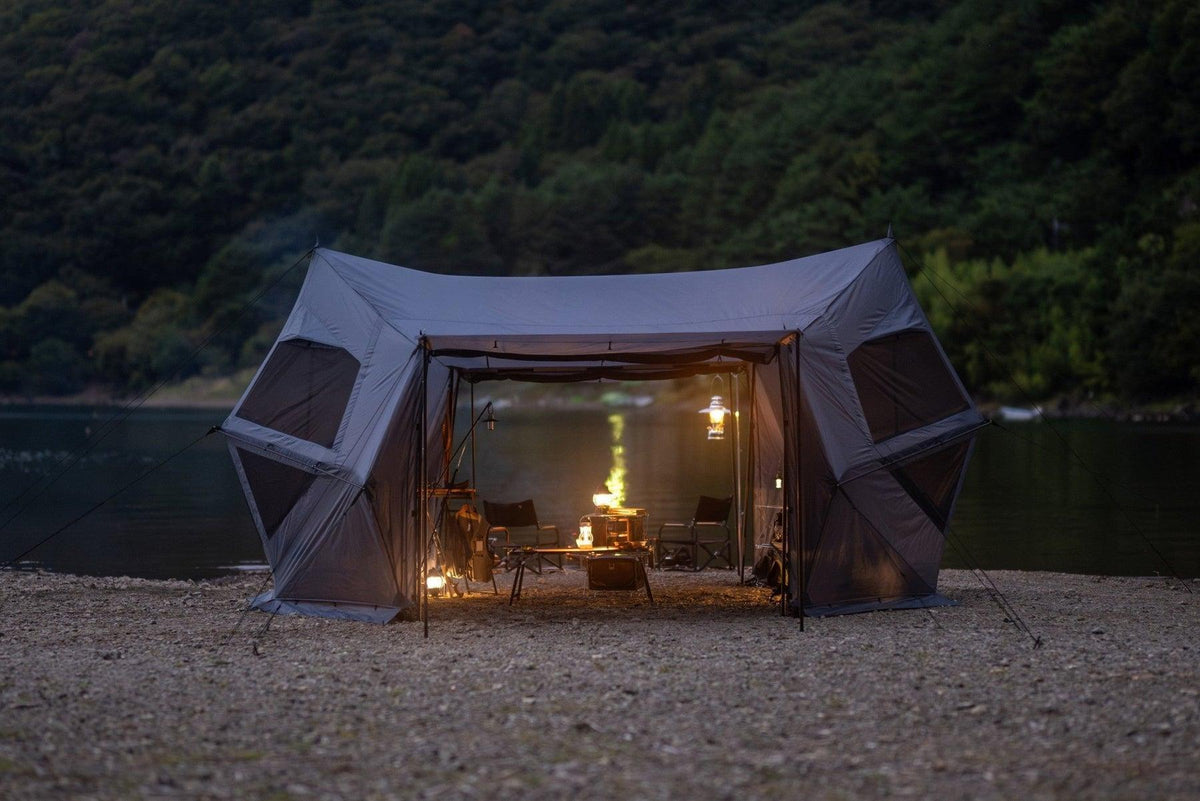
The atmosphere of a campsite is greatly influenced by lighting. Choosing the right high-brightness LED lantern ensures that everything—from nighttime cooking and socializing to safety—is comfortable.
In this article, we provide a comprehensive guide—from comparisons of the latest high-lumen models to seasonal tips and maintenance—so beginners and intermediate users won’t get lost.
Bright LED Lanterns: Essential Basics to Know Before Choosing
To avoid making a mistake, it’s important to understand exactly how much light “bright” actually means, both in terms of numerical values and how it feels. A typical ceiling light in a 6-tatami-mat room provides approximately 800–1,000 lumens, with a luminance of about 30–40 lux near the center. When gathering around a table while camping, securing a similar level of brightness makes it easier to see your hands and ensures a comfortable experience for cooking or playing card games.
While fuel-powered lanterns offer the charm of flickering flames and far-infrared rays, LEDs are overwhelmingly superior when it comes to maintaining maximum brightness consistently over long periods. Especially now in 2025, with the widespread availability of models exceeding 1,000 lumens, an increasing number of experienced campers are switching to bright LED lanterns as their primary lighting source.
Brightness Metrics: The Difference Between Lumens and Lux
Lumens represent the total light output emitted by a lantern, while lux measures the brightness on a surface.
For example, even at 1,000 lumens, a 360-degree model with a diffuser provides soft, wide-area illumination, while a panel-type model casts a sharp, focused beam.
In actual testing, when a 1,000-lumen 360-degree model was suspended 40 centimeters above the center of a table, it recorded approximately 42 lux on the surface of a plate. If you don’t have a lux meter, it’s helpful to remember that this level of brightness allows you to easily read the small print in a newspaper.
Guidelines for Required Light Output at Campsites
For solo campers, 300–600 lumens is sufficient to reach the edges of your campsite, but for families, you’ll need over 1,000 lumens to avoid shadows. For large group campsites or events, even 2,000 lumens may not be enough, so it’s practical to distribute multiple 3,000-lumen units throughout the area.Rather than relying on a single, high-powered light, spreading out two or three lights with 800–1,000 lumens each reduces glare, minimizes shadows, and improves comfort.
The Brightest! Latest Rankings Covering Models Up to 5,000 Lumens
In recent years, “floodlight-class” models ranging from 3,000 to 6,000 lumens have emerged, and even at family campsites, a single unit is often sufficient. Here, we present the top five models—including 5,000-lumen class units—ranked by brightness, based on maximum luminous flux, practical runtime, power source, and waterproof rating, clearly indicating whether each is suited for families or groups.In particular, some 6,000-lumen models can only operate continuously for 4 hours, so keep in mind that using a portable power bank is a must.
Top 5 High-Value Models (1,000–3,000 Lumens)
There are now more models available for under 10,000 yen that exceed 1,000 lumens. For example, a model that delivers 1,400 lumens for seven hours and meets the IPX6 waterproof rating is an impeccable choice as a “first flashlight.” If it weighs around 350 grams, it’s manageable for hiking, and if it runs on dry-cell batteries, the convenience of being able to use it right out of the box is a welcome feature for beginners.
300–800 Lumen Models Ideal for Backup & Portable Use
300 lumens should be sufficient for nighttime trips to the restroom or changing clothes inside a tent. With 500 lumens, reading becomes comfortable, and backpackers looking to minimize total weight will find their load significantly lighter by focusing on this range. The latest 80-gram-class 700-lumen models feel natural when worn around the neck and can even double as a flashlight.
5 Key Selection Criteria to Check Before Buying a Bright LED Lantern
Beginners tend to be drawn to brightness and price, but for long-term use, you can’t overlook the power source, water resistance, and seasonal suitability. Here, we’ll explain these five points along with specific criteria for making your decision.
Comparing the Pros and Cons of Power Sources: Rechargeable, Dry Cell, and Hybrid
USB-rechargeable models are economical because they can be reused, but they’re useless during multi-night stays or power outages if you have no way to charge them. Battery-powered models let you get back up and running immediately by buying batteries at a convenience store, and using lithium batteries makes them more resistant to cold temperatures. Hybrid models use the built-in battery for everyday use, but you can insert AA batteries in an emergency to extend runtime, making them ideal for disaster preparedness kits.
Differences in Durability Revealed by Waterproof and Shock-Resistance Tests
IPX4 is rated "splash-proof"; while it’s reliable for light showers, it may not hold up in heavy rain. For use in rough weather, choose IPX6 or higher; if pairing with kayaks or SUPs, opt for IPX7 (submersion-proof) for greater peace of mind. Regarding materials, aluminum bodies excel at heat dissipation, while ABS resin tends to be lightweight and shock-resistant—so choose based on a balance between your usage environment and portability.
Battery Performance Variations by Season and Environment
Lithium-ion batteries lose nearly 20% of their output at sub-zero temperatures. For winter camping in the snow, combine a dry-cell hybrid model with lithium dry-cell batteries, and at night, place the lantern at the foot of your sleeping bag to keep it warm—this helps minimize power loss.
Conversely, in the height of summer, leaving the lantern in a car poses a risk of battery degradation due to high temperatures, so be sure to keep it in the shade and charge it in an environment below 30°C.
Recommended Bright LED Lanterns for Different Scenarios! Lantern Use Without Worrying About Brightness
When it comes to lighting, comfort depends not only on "what you buy" but also on "how you position and use it." Here, we present practical plans for four typical scenarios.
Family Camping: An Example Setup to Ensure Children’s Safety
Hang a 2,000-lumen lantern 2 meters above the center of your campsite, and place a 500-lumen table-top lantern with high color rendering and warm light on the cooking table where shadows form. Placing a 100-lumen pen-style light as footlight along the path children take to the restroom at night drastically reduces the risk of falls.
Solo & UL Camping: A Lightweight & High-Efficiency Setup
Carry a single model weighing under 300 grams that delivers 1,000 lumens. Use it at maximum output for tasks and reduce it to 200 lumens for power-saving operation when relaxing. Additionally, having a 50-gram headlamp ensures safety even when both hands are occupied.
Winter Snow Camping: Power Strategies That Hold Up in the Cold
For a battery-powered hybrid that operates even when the outside temperature is below freezing, use lithium batteries and keep spare batteries warm in a pocket close to your body. While sleeping, place the main unit in a nylon stuff sack and keep it warm at the foot of your sleeping bag to ensure brightness remains consistent the next morning.
Power Outages & Disaster Preparedness: A 72-Hour Home Lighting Plan
If you equip a 2,000-lumen battery-powered lantern with 12 AA batteries, it can operate continuously for about 72 hours on the low setting (300 lumens). To ensure your family can move around safely, it’s practical to keep one unit constantly lit in the living room and use 100-lumen models in the bathroom and entryway only when needed.
Maintenance & Troubleshooting for Long-Term Use
No matter how high-performance a lantern is, neglecting maintenance will cause it to dim, and in the worst case, it won’t light up at all. Here, we introduce specific measures to extend its lifespan.
Charge/Discharge Cycles to Prevent Battery Degradation
Lithium-ion batteries last longer and are less prone to increased internal resistance when stored at 50–80% charge rather than fully charged. Check the charge level every three months, and recharge if it falls below the recommended level.
Inspection and Replacement Guidelines for Waterproof Seals and O-Rings
Once a year, remove the gasket and apply a thin layer of silicone grease. If you notice any cracks or hardening, replace it with a manufacturer-genuine O-ring. This simple step alone will help maintain IP performance close to that of a brand-new product.
Proper Cleaning Methods for Lenses and Reflectors
Gently wipe resin lenses with a microfiber cloth dampened with a neutral detergent, and remove oil films from glass lenses with glass cleaner. Avoid touching the reflector or LED module; simply blowing away dust with an air blower may restore over 10% of the light output.
Common Issues and Troubleshooting Q&A
If the switch does not respond, it is likely due to oxidized contacts; apply contact cleaner with a cotton swab. Flickering is often caused by low battery voltage or thermal runaway in the LED driver; replacing the battery or improving cooling may resolve the issue. For rust on the USB port, gently scrub the contacts with an interdental brush; if the corrosion is severe, manufacturer repair is required.
FAQs About Bright LED Lanterns
Q. At what lumens does the light become so bright it hurts the eyes?
A. If you direct 4,000 lumens or more at a single point, it becomes difficult to see clearly. Use diffused lighting for a softer glow.
Q. Do insects gather more when the light is brighter?
A. White light with a short wavelength tends to attract insects. Switching to warm light mode in the summer can help reduce this.
Q. What should I do if the light isn’t bright enough?
A. In addition to using the maximum white light output, you can improve efficiency by using reflectors or light shades to direct the light downward.
Q. Is it okay to store the light with the batteries still inside?
A. Alkaline batteries pose a risk of leakage, so be sure to remove them if you won’t be using the lantern for more than three months.
Q. Can an LED lantern create a cozy atmosphere?
A. By using the color temperature adjustment feature to set the light to a warm color around 2,000 Kelvin, you can achieve an ambiance similar to the flame of an oil lantern.
Make Nighttime Camping Comfortable with the Perfect "Bright" LED Lantern
This article covers everything from determining brightness standards to comparing ultra-high-brightness models, five selection criteria, usage tips for different scenarios, and maintenance for longevity.
First, determine your required light output, then narrow down your options to two or three models by comparing power sources and waterproof durability. After purchase, make it a habit to perform maintenance charging and inspect the gaskets every three months, and be sure to remove the batteries before storing the lantern. With a well-prepared, bright LED lantern, you can enjoy peace of mind and comfort, never worrying about light—whether you’re camping or during a power outage.
This is the "Bright LED Lanterns" page on TOKYO CRAFTS.
The official online store for TOKYO CRAFTS camping gear. This page features
products from the TOKYO CRAFTS camping gear lineup that are perfect for "Bright LED Lanterns."
We’ve released two types of lanterns created in collaboration with the Korean brand CLAYMORE. The models are minimalist and practical, yet capable of illuminating up to 80 meters away—a great choice!
They also pair perfectly with TOKYO CRAFTS’ lantern stands (graph arms).
RANKING
ランキング一覧へ ポイント10%ポイント15%
 ポイント10%ポイント15%
 ポイント10%ポイント15%
 ポイント10%ポイント15%
 ポイント10%ポイント15%
 ポイント10%ポイント15%
 ポイント10%ポイント15%
 ポイント10%ポイント15%
 ポイント10%ポイント15%
ポイント10%ポイント15%
ポイント10%ポイント15%


 ポイント10%ポイント15%
 ポイント10%ポイント15%
 ポイント10%ポイント15%
 ポイント10%ポイント15%
 ポイント10%ポイント15%
ポイント10%ポイント15%
ポイント10%ポイント15%
ポイント10%ポイント15%
ポイント10%ポイント15%
ポイント10%ポイント15%
ポイント10%ポイント15% ポイント10%ポイント15%
 ポイント10%ポイント15%
 ポイント10%ポイント15%
 ポイント10%ポイント15%
 ポイント10%ポイント15%
 ポイント10%ポイント15%
ポイント10%ポイント15%
ポイント10%ポイント15%
ポイント10%ポイント15%
ポイント10%ポイント15%
 ポイント10%ポイント15%
 ポイント10%ポイント15%
ポイント10%ポイント15%
ポイント10%ポイント15% ポイント10%ポイント15%
 ポイント10%ポイント15%
 ポイント10%ポイント15%
ポイント10%ポイント15%
ポイント10%ポイント15% ポイント10%ポイント15%
 ポイント10%ポイント15%
 ポイント10%ポイント15%
 ポイント10%ポイント15%
 ポイント10%ポイント15%
 ポイント10%ポイント15%
 ポイント10%ポイント15%
SEE MORE (その他オススメ商品)
ポイント10%ポイント15%
ポイント10%ポイント15%
ポイント10%ポイント15%