Wear


Outdoor wear refers to clothing equipped with various features that allow you to comfortably enjoy outdoor activities. Not only outdoor wear brands but also manufacturers of camping gear offer a wide range of apparel products.Recently, the uniform reuse market—including the purchase and resale of used uniforms—has also been gaining attention. While the term “outdoor wear” may seem simple, there are many items with various functions, and many people are likely unsure which ones to choose. Therefore, we will introduce the roles of outdoor wear, its main items, and key points for selecting them.
The Role of Outdoor Wear
Depending on the product, outdoor wear
- waterproofing
- breathability
- Water-repellency
- Wind resistance
- Thermal insulation
- Quick-drying
- Stretch
- Lightweight
- UV protection
- Flame-retardant
- Insect-repellent
- Compactness
and more.
By choosing clothing with features suited to your environment, you can enjoy your activities comfortably even in harsh conditions.
For example, T-shirts suitable for summer camping feature stretch for ease of movement, quick-drying properties so they dry immediately even when sweaty, UV protection to block ultraviolet rays, and flame-retardant properties that make them resistant to sparks from campfires.
In addition, rainwear for mountain climbing features waterproofing that withstands prolonged downpours, breathability that allows moisture generated by intense activity to escape, and windproofing that blocks cold winds.
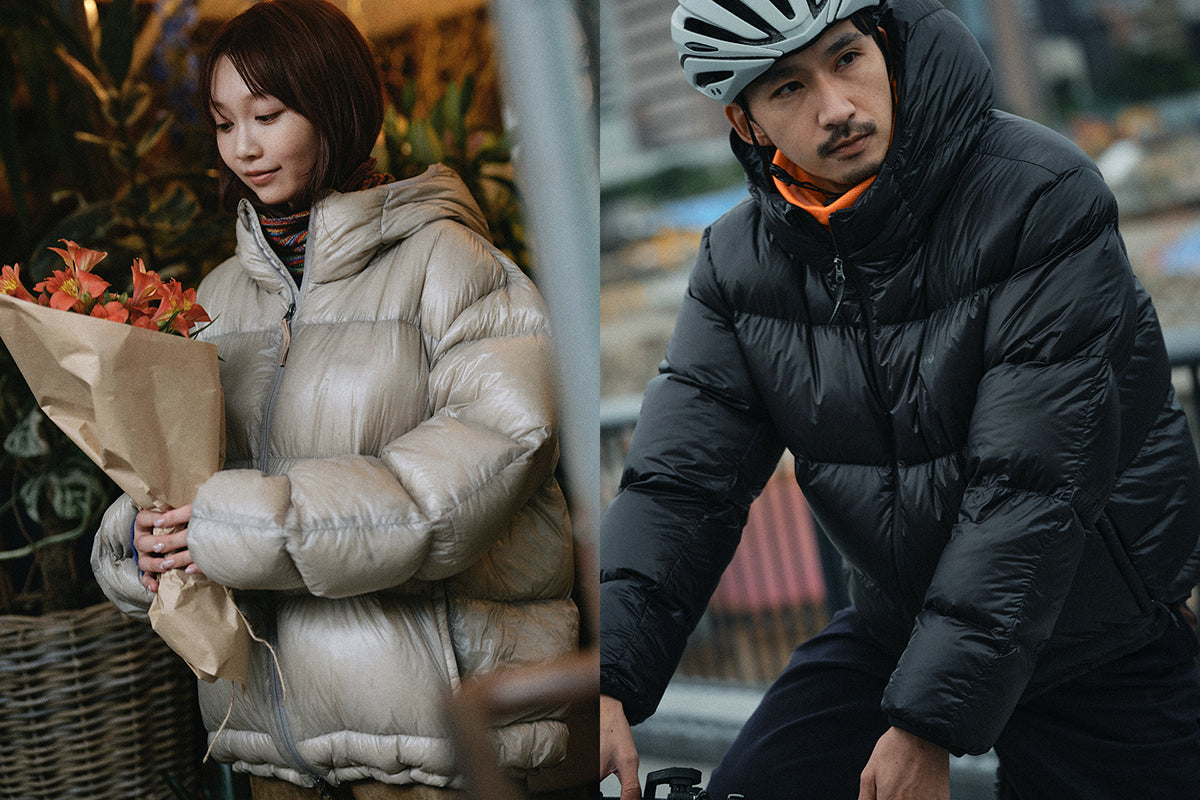
Recently, there has been an increase in outdoor wear featuring trendy designs, making it popular not only as functional clothing but also as a fashion item.
Types of Outdoor Wear
Here, we’ll take a closer look at outerwear within the broader category of outdoor apparel.
Type 1: Softshell
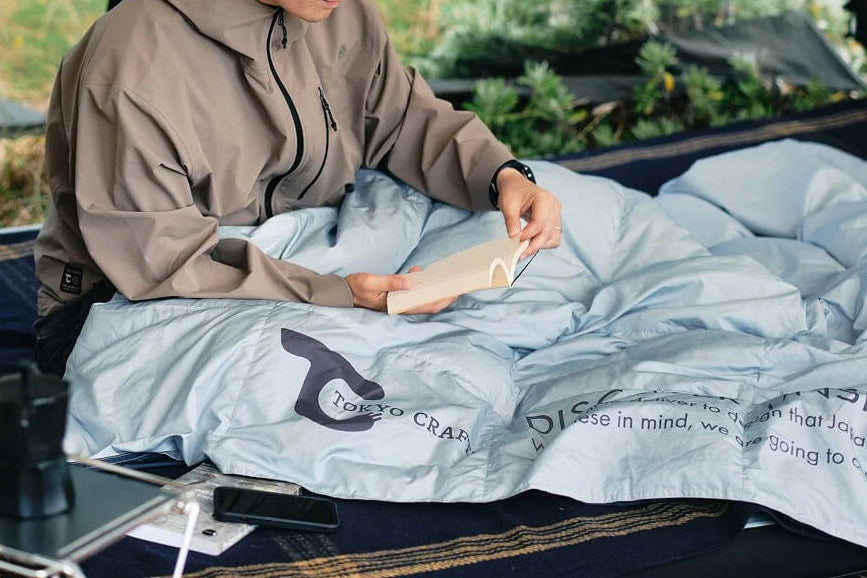
A softshell is an item that serves not only as outerwear but also as a mid-layer worn under outerwear. In everyday terms, it plays a role similar to that of a hoodie or sweatshirt.
It offers excellent stretch for ease of movement and high wind resistance, preventing body temperature from dropping due to cold winds. It is also water-repellent, making it sufficient for light rain.
Thicker versions offer excellent insulation, helping to keep you warm when worn under a jacket during colder weather.
Type 2: Hard Shell
A hard shell is an outer layer designed to withstand prolonged exposure to heavy rain and wind, featuring both waterproof and windproof properties. As the name suggests, the fabric is stiff, making it less flexible than a soft shell.
Products made with waterproof and breathable materials like Gore-Tex excel not only in waterproofing but also in breathability. Since they allow body moisture to escape, they remain comfortable even during hot weather or high-intensity activities.
Hard shells serve as effective rainwear for outdoor activities such as camping, hiking, and fishing, as well as for daily life, including commuting to work or school.
Furthermore, if the product also offers insulation, it can be used as outerwear for activities in harsh environments, such as winter mountaineering, skiing, and snowboarding.
Type 3: Windshell
A windshell is an outer layer specifically designed for wind resistance. It prevents wind from entering the garment, helping to maintain body temperature.
They also feature excellent stretchability for ease of movement and are extremely lightweight and portable. We recommend keeping one in your bag for everyday use as a quick-throw-on layer.
Type 4: Rainwear
Rainwear is a general term for clothing designed to keep out the rain. The hardshells mentioned earlier can also be used as rainwear.
In particular, products made with waterproof and breathable materials like Gore-Tex offer excellent waterproofing and breathability. They keep you comfortable even if you get caught in the rain during summer camping or strenuous hikes.
Type 5: Outdoor Vests
Outdoor vests are invaluable for regulating body temperature. Although they have no sleeves, they wrap around the torso, keeping you warmer than they appear.
Outdoor vests allow you to roll up your sleeves without having to wash them, making tasks easier.
For camping and fishing, we recommend vests with plenty of pockets for excellent storage. You can quickly grab gloves, lighters, fishing gear, and more, reducing the hassle of searching for items.
How to Choose Outdoor Wear
When choosing outdoor wear, keep these four points in mind.
- Choosing clothing that allows for easy movement is the most important factor
- Choose materials and features suitable for the season
- Choosing versatile clothing is a plus
- Consider storage options
We’ll go into more detail on each of these points.
Tip #1: Choosing clothing that allows for easy movement is the most important factor
When camping, you’ll frequently find yourself reaching out with your arms or moving around while carrying gear, setting up and taking down tents, and building fires. Therefore, ease of movement is the most important factor in outdoor wear.
Choose items with excellent stretch that don’t restrict movement, or products with thoughtful cuts around joints like the arms.
Tip 2: Choose materials and features suited to the season
Outdoor clothing requires different materials and features depending on the season. Be sure to consider the specific situations in which you’ll be wearing it before making your selection.
-In summer, choose materials with UV protection
Ultraviolet rays can cause skin inflammation and lead to dark spots and wrinkles. Some UV rays can penetrate fabric and reach your skin. During periods of strong UV exposure, we recommend clothing with high UV protection.
-Minimize skin exposure to prevent insect bites
During summer camping, it’s easy to end up wearing clothing that exposes a lot of skin. However, this is also the season when insects are most active.
To avoid being bitten by mosquitoes, bees, horseflies, ticks, and other insects, it is best to wear long sleeves and long pants. If it gets too hot, you can also wear a long-sleeved shirt over a short-sleeved one. >
It is also effective to choose clothing with strong insect-repellent properties that insects find unpleasant.
-In winter, choose materials that provide warmth
Winter camping can be too cold to fully enjoy without proper insulation. Use a variety of items to ensure you stay warm.
Common cold-weather materials include fleece and down. Since you’ll often be sitting still while camping, choosing thicker items will give you peace of mind.
We also recommend merino wool base layers for their excellent insulation and quick-drying properties, thermal base layers, and outerwear lined with aluminum that reflects body heat.
-Choose flame-resistant materials for campfires
If you want to enjoy a campfire, choose clothing made from highly flame-resistant materials.
Cotton is a material that is less likely to develop holes even if sparks land on it. Additionally, polycotton—a blend of cotton and polyester—is also considered relatively flame-resistant.
Even if it’s not cotton, clothing treated with a flame-retardant finish will let you enjoy the campfire with peace of mind.
Tip #3: Choose versatile clothing
Outdoor clothing designed for comfort in harsh environments can also be worn daily for commuting to work or school.
If you plan to wear it for commuting, school, or casual outings, we recommend clothing in chic colors and simple designs. You can enjoy a stylish, urban look without appearing too casual.
Tip 4: Consider Packability
With outdoor wear, you’ll be putting it on and taking it off frequently to adjust to the weather and temperature. Therefore, it’s convenient to have items that can be neatly packed away in your bag when not in use.
If you choose packable clothing that can be stored in a storage bag or its own pockets, it will fit neatly into your bag and be less likely to wrinkle.
What is the best clothing for the outdoors?
Here’s a guide to the best clothing for camping, broken down by season.
Spring Camping
|
Spring camping can be warm during the day but gets quite chilly in the mornings and evenings. Layering is essential for regulating your body temperature.
Wear a softshell or hoodie over a T-shirt or shirt, and on chilly days, add a windshell or mountain parka.
When camping in mountainous areas or on windy coastlines, it gets quite chilly in the mornings and evenings. For protection against the nighttime cold, it’s a good idea to bring a fleece jacket or a lightweight down jacket.
Summer Camping
|
With the recent heatwave, staying cool is essential for summer camping. Choosing quick-drying or cooling-touch fabrics for your base layers and T-shirts will help you stay comfortable.
Since you’ll be outdoors all day, sun protection is also essential. Sudden sun exposure can cause not only redness but also pain. If you want to avoid sunburn, consider wearing long pants or throwing on a long-sleeve shirt. T-shirts and hoodies with UV protection are also recommended.
Campsites in mountainous areas or on windy coastlines often get chilly in the mornings and evenings, so be sure to bring at least one long-sleeved shirt. Long sleeves and long pants also help prevent insect bites.
Fall Camping
|
Just like spring camping, autumn camping involves significant daily temperature fluctuations. As with spring camping, you’ll need to regulate your body temperature by layering your clothing.
We also recommend using warm, autumnal colors to enjoy a different style than spring camping.
Winter Camping
|
Winter camping requires serious cold-weather protection. A thick down jacket is essential to keep you warm even when you’re sitting still.
Wear an inner down jacket or fleece jacket under your down jacket to boost warmth. Wearing merino wool or heat-generating base layers provides even better protection against the cold.
Since you spend a lot of time sitting still while camping, your lower body can get cold. It’s a good idea to layer leggings or tights under your pants, or wear down pants over them.
Also, if your neck, ankles, or wrists are exposed, cold air will seep into your clothing. Be sure to cover up properly with a scarf, neck warmer, gloves, thick socks, and boots to keep your skin covered.
Since your head can get cold as well, we recommend wearing a knit hat, a hat with ear flaps, or a face mask.
Wear the right outdoor gear to enjoy a comfortable camping trip!
Outdoor wear is designed with various features to keep you comfortable even in harsh outdoor conditions. Choose clothing with the necessary features based on the season and climate.
In recent years, many camping gear manufacturers have been focusing more on their apparel lines. With so many options available that are perfect for camping, why not check them out?
Be sure to pick out your favorite outdoor gear and enjoy a stylish and comfortable camping experience.
RANKING
ランキング一覧へ