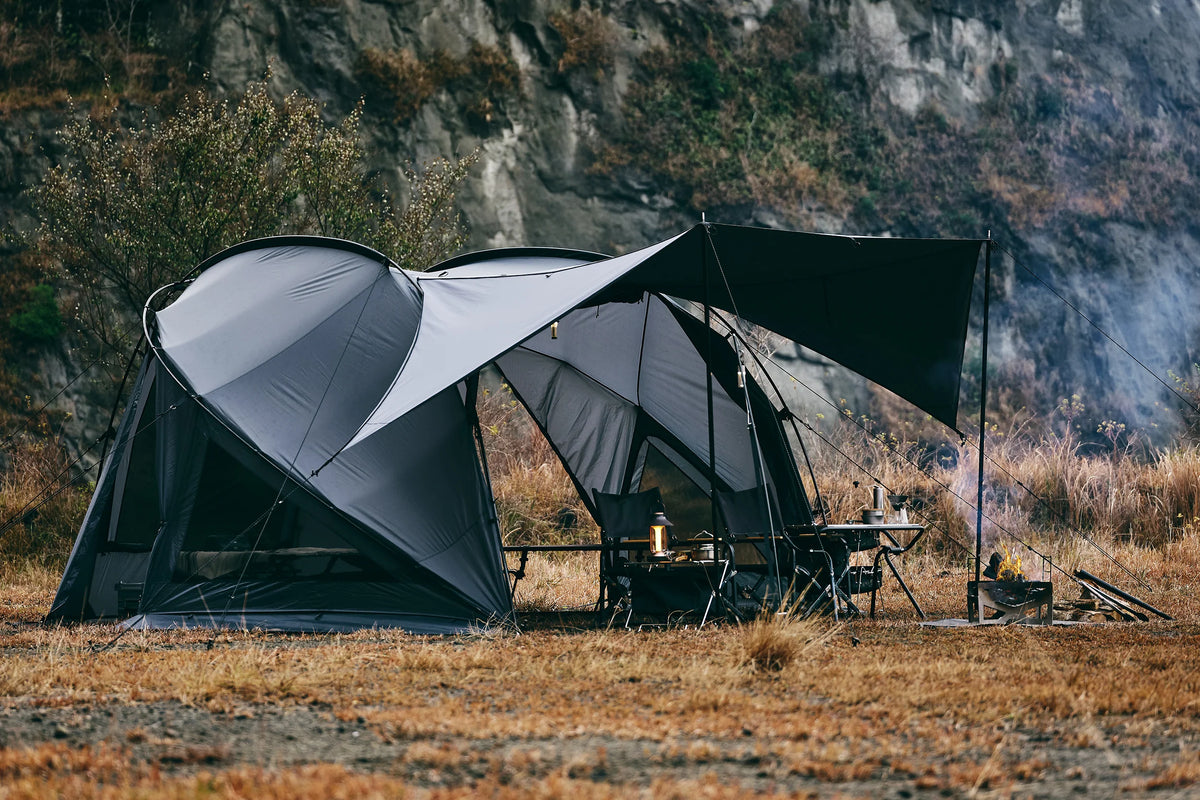
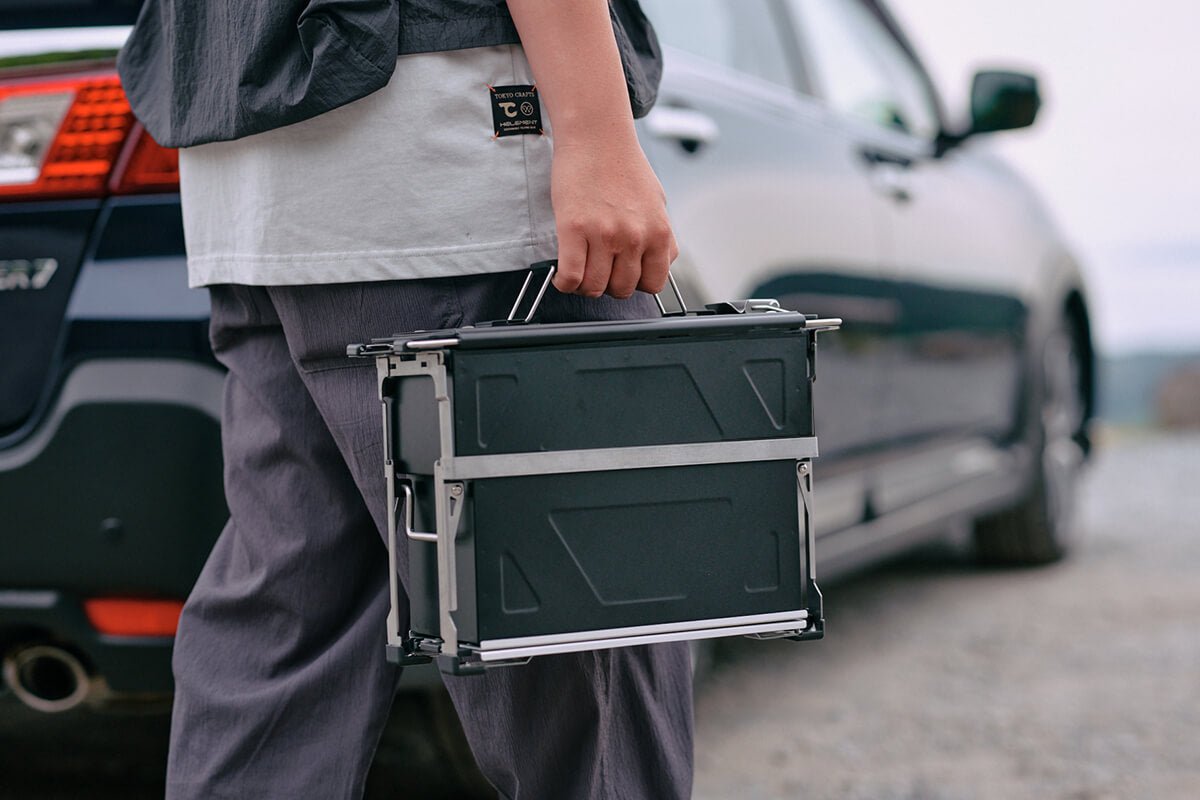
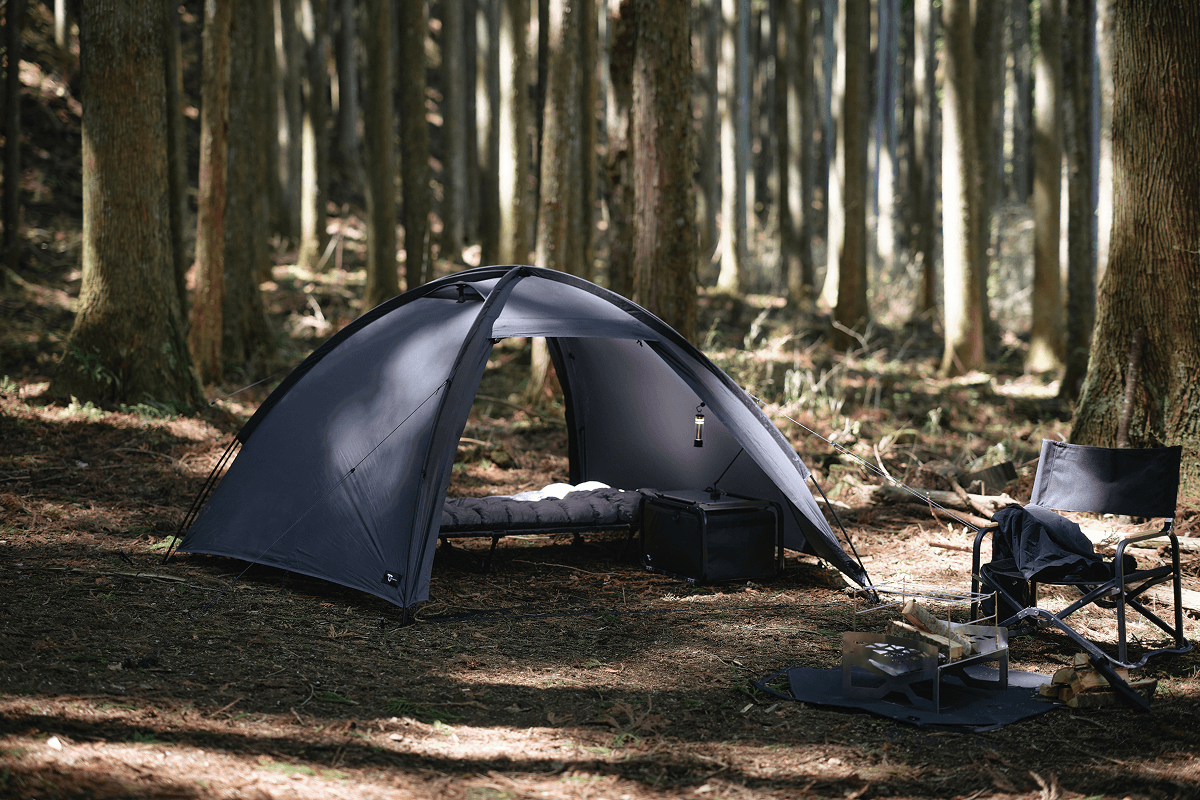
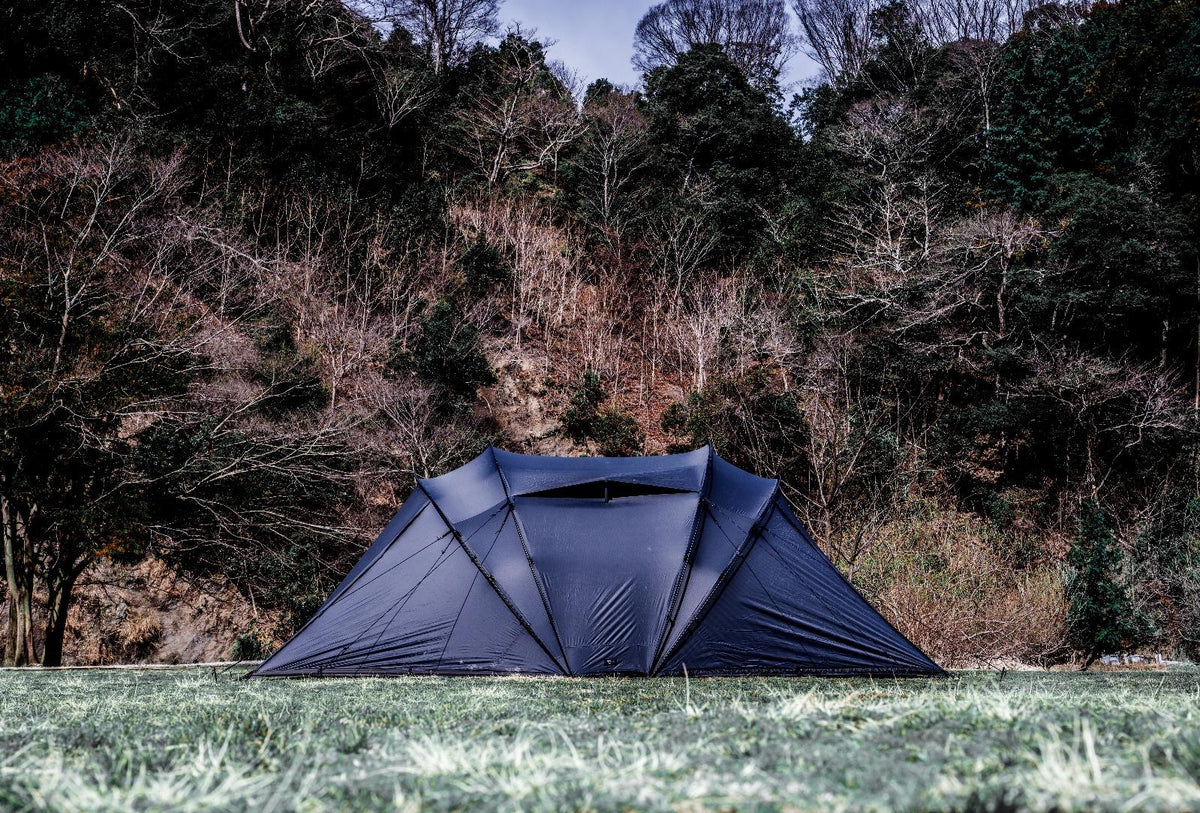
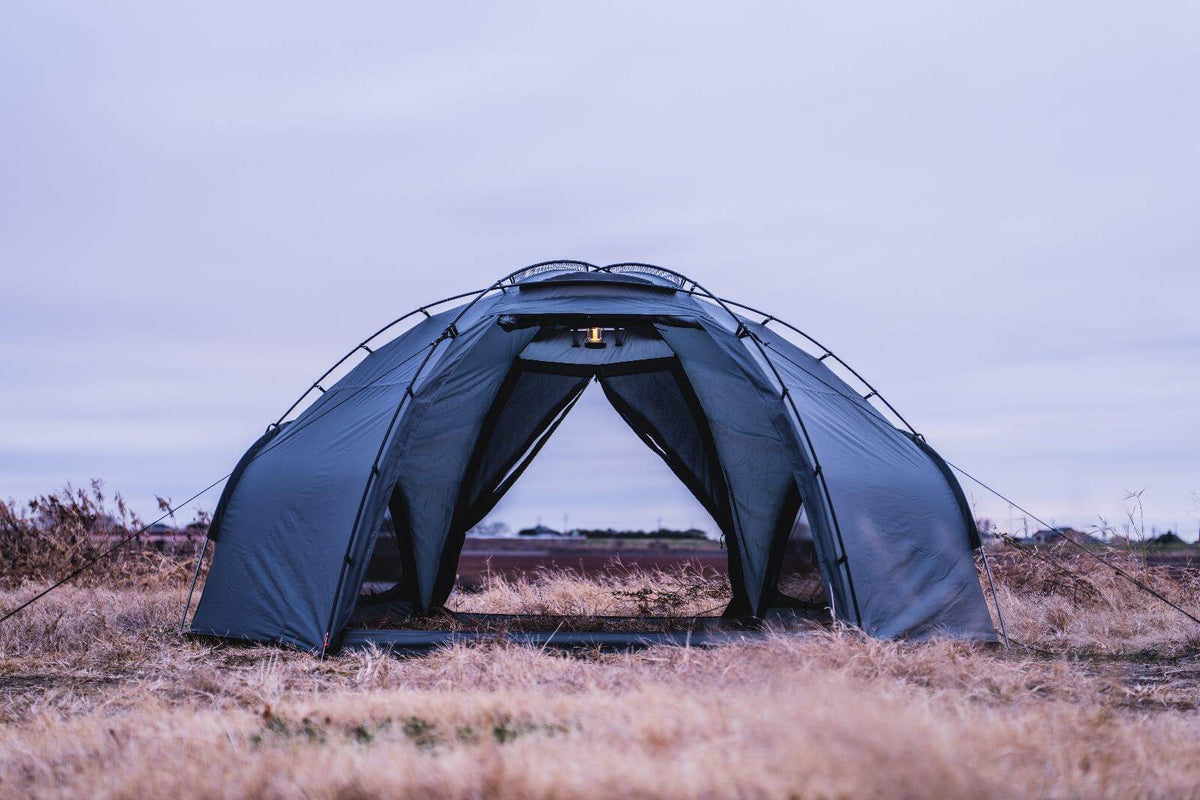
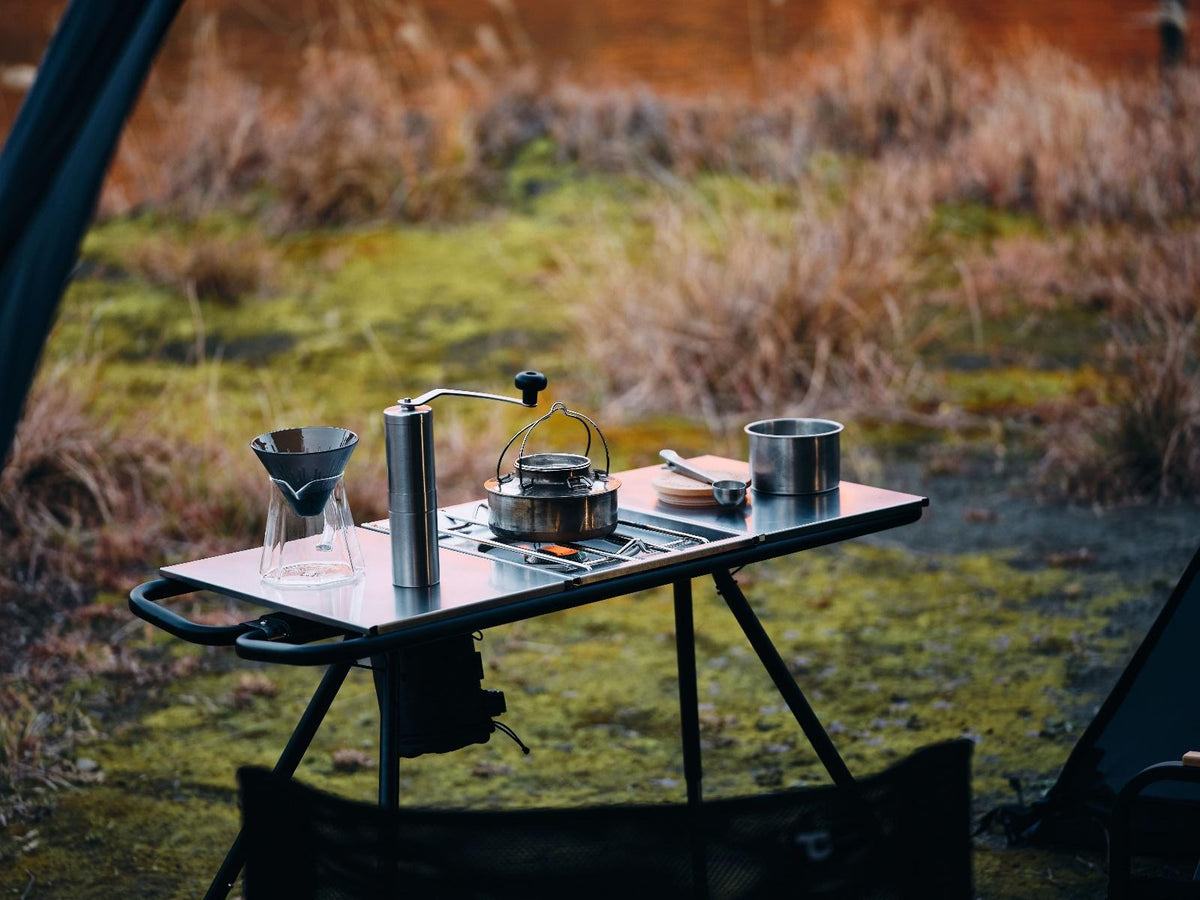
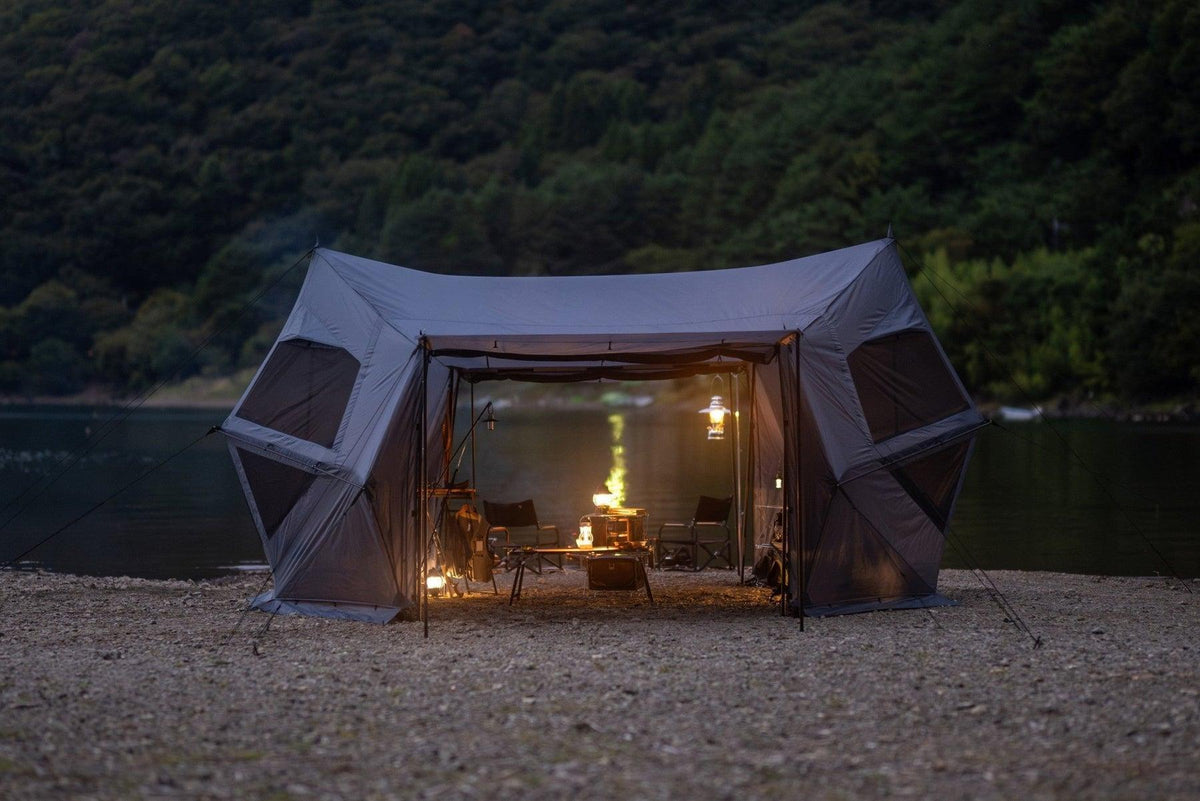
Popular Items in Car Tarp (Car-Side Tarp)

 ポイント10%
 ポイント15%
 ポイント10%ポイント15%
 ポイント10%ポイント15%
 ポイント10%ポイント15%
Car Tarp (Car-Side Tarp)
 ポイント10%ポイント15%
 ポイント10%ポイント15%
Find the perfect tarp for your car! Tips and considerations for choosing
What is a car-specific tarp?
Car-specific tarps are rapidly gaining popularity. Known as “car-side tarps,” these camping items allow you to easily create a covered living space by attaching them to the side or rear of your vehicle, just as the name suggests.
They’re useful in a variety of situations—not just for car camping or day trips at campsites, but also for beach trips, picnics, cherry blossom viewing, BBQs on riverbanks accessible by car, and even as workspaces during vacations.
Its appeal lies in the fact that even beginners can set it up easily, allowing you to effortlessly secure your own private space outdoors.
Car-side tarps have been gaining attention recently, with outdoor gear manufacturers releasing a wide variety of models, offering plenty of options.
This can make it difficult to decide: "What criteria should I use to choose one?"
In this article, we’ll share key tips for making the right choice and important considerations for anyone thinking about buying a car-side tarp.
Find the perfect car-side tarp for your vehicle and enjoy a flexible camping style.
Key Points for Choosing a Car-Side Tarp
There are several types of car-side tarps. The key to making a successful choice is to consider various factors, such as your ideal outdoor living style, compatibility with your car’s size, connection and setup methods, tarp materials, and functionality.
Let’s go over the key points to consider when choosing a car-side tarp.
Point 1: First, Choose the Type
Car-side tarps can be broadly categorized into:
- Open Tarp Style
- Shelter-style
- Rear Gate Style
.
Since the shape of the living space differs for each type, choose one based on how you envision enjoying your “car tarp time.”
-Open Tarp Style
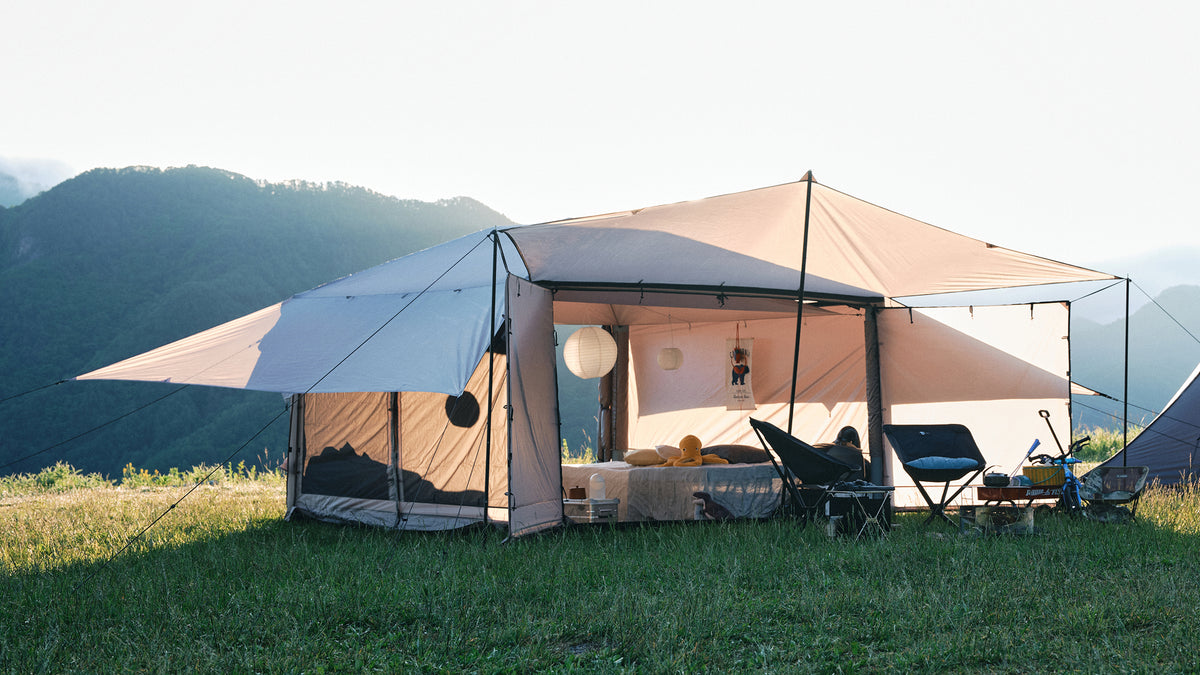
As the name suggests, the open tarp style is a very open design with a roof positioned high above but no “walls” on the sides. Since you can see 360 degrees around you from under the tarp, it offers a sense of openness.
It’s recommended for those who want to enjoy natural scenery, need a place to eat during a BBQ, or want to relax while feeling the breeze.
Most come in hexagonal or rectangular shapes, and their simple structure makes them easy to set up. Another advantage is that they pack down compactly for easy transport.
Open-style car tarps are available in a wide range of sizes, from small to large, and there are many variations designed to be mounted on compact cars.
-Shelter-style
The shelter-style is recommended for those who feel that a "360-degree fully open" design like the open tarp style is too exposed, or who want to secure a private space. It is also known as the "screen-type."
While there are many designs, the core appeal of the shelter-style tarp is that it allows you to enjoy both a sense of openness and a private space enclosed by walls.
It’s not just about the open-air feeling; it’s also ideal for those who want a space where they can’t be seen by others, such as when changing clothes after playing in the water.
-Rear Gate Style
The rear gate refers to the rear door found on vehicles such as minivans, hatchbacks, and station wagons.
A rear gate-style tarp is characterized by a structure where the tarp is set up to cover the rear gate.
There are open-top types with just a roof and shelter types with walls, allowing you to create a living space directly connected to the rear of the vehicle.
The fully enclosed type can look like a changing room depending on the product, so the open type is recommended for those who feel that “having a space completely hidden behind the car is suffocating.”
For those who need a private space to change clothes, the shelter type is a good choice.
Point 2: Choose a size that fits your car
Since a car-side tarp is installed on your vehicle, it’s important to choose a size that fits your car. If the size doesn’t match, you may not be able to install it properly, or the finished look may be unsightly, so please be careful.
Choose a car-side tarp based on your vehicle’s height and the width where it will be mounted.
Many products recommend a vehicle height of "1.7–2.0 m," and most cars fall within this range. However, some HiAce models exceed 2.0 m in height.
Make sure the mounting width does not exceed the width of your vehicle.
As a general guideline, aim for 2 m for kei cars, 2.5 m for SUVs and minivans, and around 3 m for HiAce models.
The installation position differs depending on whether you’re attaching the tarp to the side or rear of the vehicle, so decide which option you prefer beforehand. Many products appear to be sized to fit minivans.
Point 3: There are two main attachment methods
There are two main methods for attaching a car-site tarp to a vehicle: "magnet/suction cup" and "mounting brackets," and the best option varies depending on the vehicle model.
- The "magnet/suction cup" type, which is easy to attach
The "magnet and suction cup" type is suitable for cars without rain gutters (the protruding sections on the sides of the car body designed to channel rainwater).
Since it can be installed on most car models and attaches easily with a single touch, it’s ideal for those who don’t want to spend time setting it up.
However, since the strength of the magnets and suction cups varies by product, it is recommended to choose based on reviews and other feedback. Please note that if the magnets or suction cups become dirty over time, they may come loose more easily.
-The "Mounting Bracket" Type Offers Stability
For cars equipped with rain gutters, the "mounting bracket" type is recommended.
Since the tarp can be secured to the rain gutter using brackets and screws, it offers greater stability than the "magnet or suction cup" type and is virtually impossible to detach, though setup does require a bit more effort.
Point 4: Poly-cotton is the recommended material for tarps
Car-side tarps are mainly made of two types of material: TC or polyester. From a functional standpoint, TC is recommended.
TC fabric is a blend of polyester and cotton, also known as "poly-cotton." It combines the best features of both materials and is commonly used for tents and tarps.
[Features of TC Fabric (Poly-Cotton)]
- Excellent water absorption
- Excellent heat retention
- Excellent durability and weather resistance
- Better breathability than cotton
- Less flammable than polyester
While it offers many benefits and is easy to handle, it is prone to mold if not dried completely and tends to attract stains that are difficult to remove, so maintenance is necessary after use.
If you find maintenance a hassle, polyester fabric—which is water-repellent and dries quickly—is a good choice.
Point 5: Be sure to check functionality
Once you set up a car-side tarp, you’ll likely spend the entire day under it.
Therefore, a highly functional model will make your time there more comfortable. Be sure to check what features the tarp offers.
In the summer, we recommend models with UV-resistant coatings or those made from materials with high UV protection.
If you’re not a fan of bugs, a “mosquito net included” type that covers everything from the roof to the ground is a good choice.
If you choose a model with high water resistance, you’ll be safe even in sudden rain! We recommend car-side tarps with a water resistance rating of 1,500 mm or higher.
If you want to have a campfire a short distance away from a shelter-style or rear-gate-style car-side tarp, choose a product with high flame resistance.
Also check the size and weight when packed. Make sure it’s easy to load into your car, that you have a place to store it, and that it’s light enough to carry.
Precautions When Using a Car-Side Tarp
With a car-side tarp, you can set it up on your vehicle to create your own living space anywhere you like and enjoy camping.
While it’s a convenient camping item, please be aware of the following precautions when using it.
Precaution 1: You cannot move the car after setup
Once you’ve set up the car-side tarp—by erecting poles, staking it down, or attaching ropes—you won’t be able to move your car.
If you realize you’ve forgotten something and need to “run to the nearby supermarket,” you’ll have to take it down first, which is a hassle.
Before setting it up, make sure to double-check that you haven’t forgotten anything.
Precaution 2: There is a risk of scratching the car body
If you extend the webbing (the straps used to secure the tarp) attached to the car-side type and attach it to the car’s roof rack or holes, the webbing may flap in the wind and rub against the car, causing fine scratches.
Try wrapping the webbing in soft fabric or placing rubber pads over it.
To protect your car from scratches, you’ll need to wrap the webbing in soft, thick fabric or place small but thick rubber mats on both ends of the webbing.
Point 3: Bonfires and fire-starting involve risks
When lighting a campfire or starting a fire near a car-side tarp, be sure to keep a safe distance from the tarp.
Please note that even tarps made of flame-retardant materials are not completely fireproof. It is also safer to avoid doing this on windy days.
Point 4: Many products do not include poles
Depending on the product, car-side tarps may not come with the poles or other equipment needed for setup.
If accessories are not included, you’ll need to purchase them separately, so be sure to check the included items before buying.
Find a tarp that fits your car and enjoy camping!
Car-side tarps are incredibly versatile, serving as both an outdoor living space and a private retreat.
Whether for day camping or car camping, setting one up at your favorite spot during a drive, or creating a special viewing area for cherry blossoms or autumn foliage, there are countless ways to enjoy them.
Since they’re easier to set up than tents, choose a product that fits your car perfectly and enjoy your outdoor life to the fullest.
RANKING
ランキング一覧へ
ポイント10%ポイント15% ポイント10%ポイント15%
 ポイント10%ポイント15%
 ポイント10%ポイント15%
 ポイント10%ポイント15%
 ポイント10%ポイント15%
ポイント10%ポイント15%
ポイント10%ポイント15%
 ポイント10%ポイント15%
 ポイント10%ポイント15%
ポイント10%ポイント15%
ポイント10%ポイント15%


 ポイント10%ポイント15%
 ポイント10%ポイント15%
 ポイント10%ポイント15%
 ポイント10%ポイント15%
 ポイント10%ポイント15%
ポイント10%ポイント15%
ポイント10%ポイント15%
ポイント10%ポイント15%
ポイント10%ポイント15%
ポイント10%ポイント15%
ポイント10%ポイント15%
ポイント10%ポイント15%
ポイント10%ポイント15%
ポイント10%ポイント15%
ポイント10%ポイント15%
ポイント10%ポイント15%
ポイント10%ポイント15%
ポイント10%ポイント15%
ポイント10%ポイント15% ポイント10%ポイント15%
 ポイント10%ポイント15%
ポイント10%ポイント15%
ポイント10%ポイント15%
ポイント10%ポイント15%
ポイント10%ポイント15%
 ポイント10%ポイント15%
 ポイント10%ポイント15%
ポイント10%ポイント15%
ポイント10%ポイント15% ポイント10%ポイント15%
 ポイント10%ポイント15%
 ポイント10%ポイント15%
ポイント10%ポイント15%
ポイント10%ポイント15% ポイント10%ポイント15%
 ポイント10%ポイント15%
 ポイント10%ポイント15%
 ポイント10%ポイント15%
 ポイント10%ポイント15%
 ポイント10%ポイント15%
 ポイント10%ポイント15%
SEE MORE (その他オススメ商品)
ポイント10%ポイント15% ポイント10%ポイント15%
 ポイント10%ポイント15%