Lantern Stand / Lantern Hanger

 ポイント10%
 ポイント15%
 ポイント10%ポイント15%
 ポイント10%ポイント15%
 ポイント10%ポイント15%
 ポイント10%ポイント15%
 ポイント10%ポイント15%
 ポイント10%ポイント15%
 ポイント10%ポイント15%
 ポイント10%ポイント15%
Do You Need a Lantern Stand? A Comprehensive Guide to Their Benefits and How to Choose One!
Lanterns are lighting fixtures that brighten up your campsite. While you can place a lantern on a table or hang it under a tarp, using a "lantern stand" makes it even safer and more comfortable to use.
In this article, we’ll take a detailed look at the appeal of lantern stands, how to choose one, alternative options, and TOKYO CRAFTS’ recommended products.
If you want to enjoy your camping nights in a more comfortable and stylish way using a lantern stand, please use this as a reference.
The Appeal of Lantern Stands

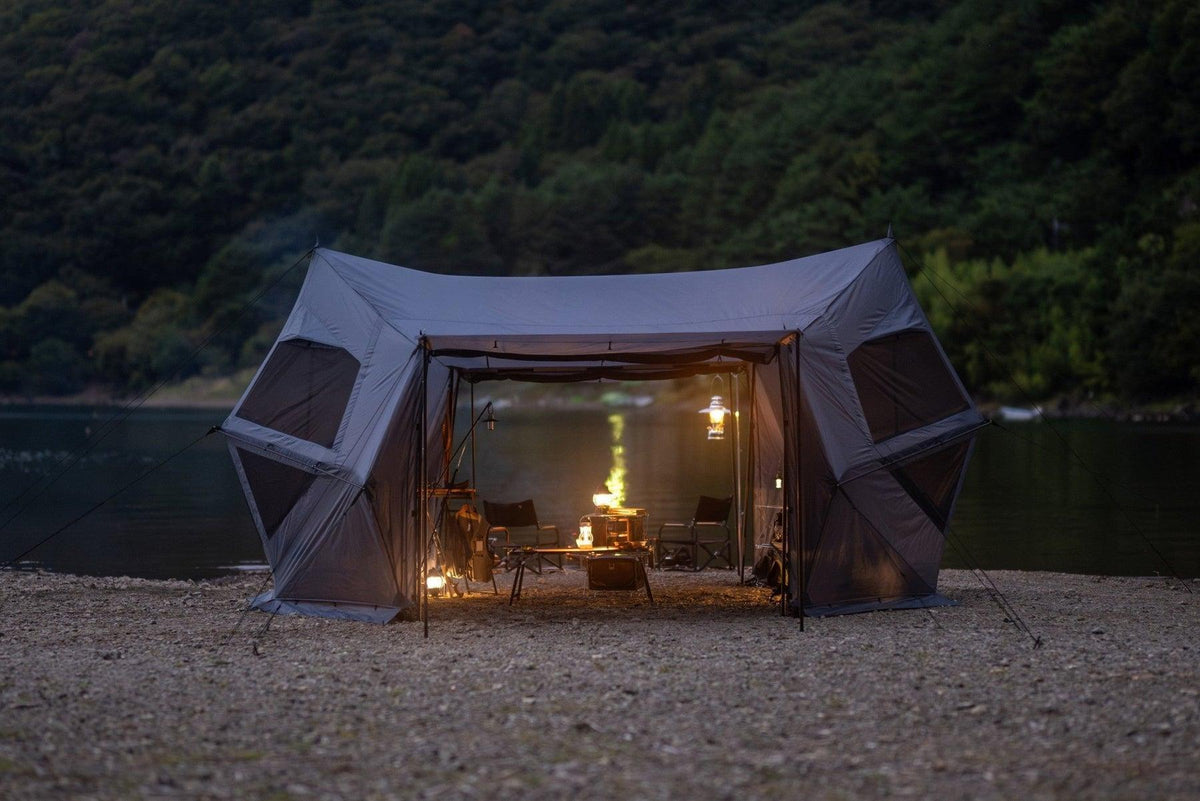
The higher you place a lantern, the wider its illumination range becomes. Using a lantern stand raises the lantern’s position, allowing it to illuminate a much larger area of your campsite.
Fuel-powered lanterns, such as those using oil or gasoline, pose a risk of burns if small children touch them. By using a lantern stand, you can place the lantern at a height out of children’s reach, reducing the risk of burns.
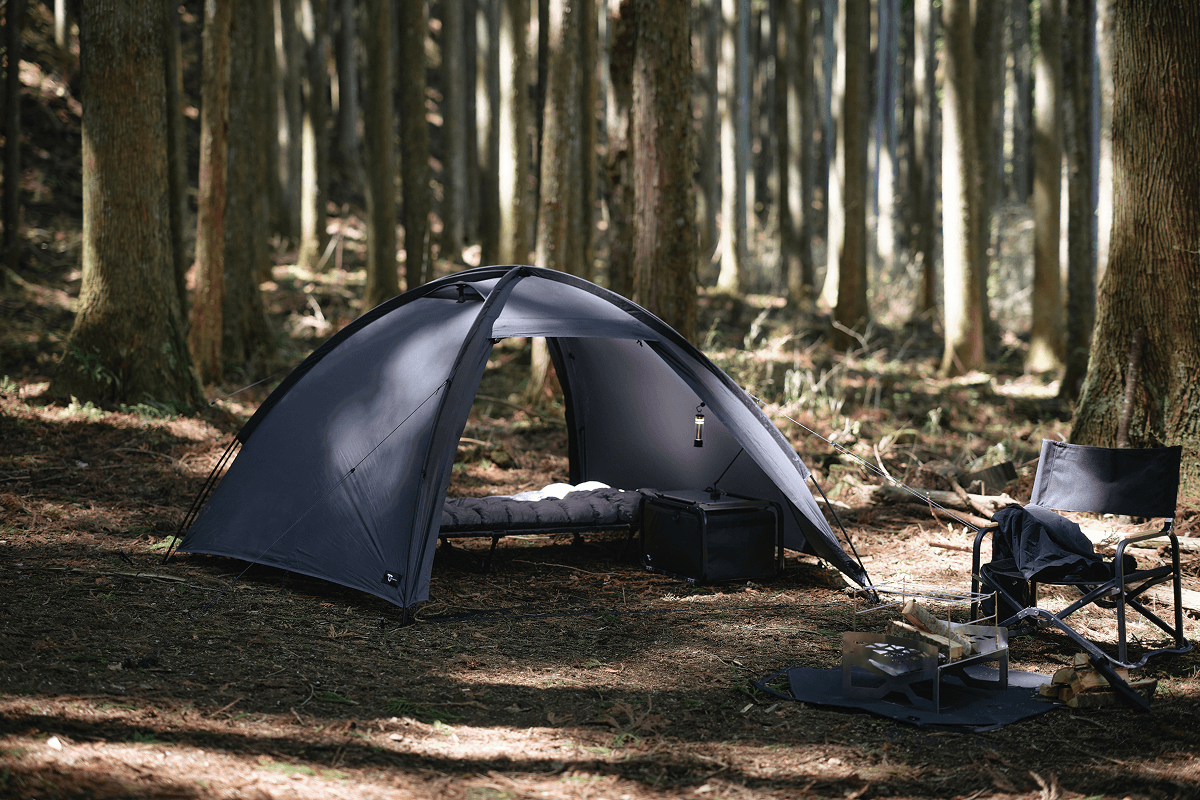
Another appealing feature is the ability to place the lantern anywhere you like on your campsite. Compared to placing it on a table, the lantern’s design and the beauty of its light stand out more, adding a stylish touch to your campsite.
By deliberately placing the lantern a short distance away from the tent, you can use the light to attract unwanted insects.
During the day when you don’t need light, it’s also recommended for hanging dish drying nets or decorative items to brighten up your campsite. Also, since it can rain suddenly at night while camping, it’s a good idea to carry a compact, foldable outdoor umbrella with you in case you need to move the lantern or perform other tasks.
How to Choose a Lantern Stand

When choosing a lantern stand, keep the following five points in mind to select a product that suits your camping style and is easy to use.
- Setup Type
- Height Adjustment Method
- Material & Design
- Portability, Storage, and Weight Capacity
- Functionality
We’ll explain each point in detail.
How to Choose #1: First, Check the Installation Type
There are two main installation methods for lantern stands:
- Stake-in type
- Tripod-style
- Clamp-on
We’ll explain the setup procedures, as well as the pros and cons of each.
-"Drive-in style" saves space and works on slopes
The "stake-in type" involves driving a single leg directly into the ground for installation.
There are two main methods for driving the leg into the ground. One involves striking the bottom part with a hammer to drive it in, then connecting the remaining parts. The other involves repeatedly sliding the upper, pre-connected parts down so that the stand’s weight drives it into the ground.
Since the drive-in style uses a single leg, one of its advantages is that it’s less likely to catch on your clothes when you walk past the stand. Its clean, minimalist design is also a major appeal. With fewer extra parts, it’s lighter and more compact than the tripod style.
Furthermore, since it is driven into the ground, it is less likely to tip over in windy conditions or if you accidentally catch the leg on something.
However, it can be difficult to drive into the ground if the tent site is hard, and once set up, moving it can be somewhat of a hassle.
-"Tripod-style" tents are easy to set up and move
The "tripod-style" features three legs, similar to a camera tripod. It can be set up easily by simply spreading the legs and extending the support poles. Since it doesn’t require driving stakes into the ground, it’s easy to move even after setup.
However, compared to the single-leg stake-in type, the legs extend outward, so you need to be careful when walking past them. For family camping with small children, it’s best to choose a product with a flat tripod base.
Also, since they aren’t driven into the ground, they tend to tip over easily. For family camping with small children, it’s safer to choose a model where the tripod legs can be secured with stakes.
-“Clamp-style” is ideal for spot lighting
"Clamp-style" lights are installed by clamping them onto the surface of an outdoor table or similar surface. This type is better suited for illuminating specific spots, such as a table, rather than the entire campsite.
Many models are compact, lightweight, and easy to carry, making them suitable for hiking or touring camps.
However, clamp-style models tend to have a lower weight capacity. Since they may not support heavy fuel-powered lanterns, it’s important to check this before purchasing.
Magnetic lantern stands that attach to magnetic outdoor tables are also convenient.
Some clamp-style models are designed to easily attach to the frames or tabletops of IGT-standard tables, allowing you to set up your lantern without disrupting the layout around the table.
How to Choose #2: Understand Height Adjustment Methods to Change the Illumination Area
Lantern stands adjust the illumination range by changing their height. To illuminate a wider area, raise the stand.
There are two main methods for adjusting height: the "screw type" and the "extension type."
-Screw Type
The "screw type" allows for stepless height adjustment using a screw. It is recommended for those who want more precise height control.
You can also adjust the height while in use without removing the lantern.
- Extension-type
The "extension pole type" adjusts height by adding or removing connecting poles. While it doesn’t allow for fine-tuned height adjustments, it can be useful for managing your luggage—for example, you can carry fewer poles when you want to minimize your load.
One thing to note is that if you want to change the height while using it, you’ll need to remove the lantern each time.
How to Choose #3: Choose Materials and Designs That Suit Your Taste
Lantern stands are made from materials such as:
- Steel
- Stainless steel
- Aluminum
- Brass
- Wood
are used. Since each material differs in terms of usability, portability, and visual appeal, choose the one that best suits your camping style.
Designs also vary by product, ranging from antique-style to rugged or natural styles. Choosing a design that fits the atmosphere of your campsite will help create a cohesive, stylish look.
Tip 4: Be Sure to Check Portability, Storage, and Weight Capacity
Portability is especially important for lantern stands when backpacking, touring, motorcycle camping, or family camping with a lot of gear. Since storage space is limited on motorcycles, choosing a lantern stand that’s as lightweight and compact as possible makes it easier to carry. Choosing a product that’s lightweight and packs down small makes it easier to transport.
Lanterns vary in weight depending on the model. Most fuel-powered lanterns (such as those using gasoline or oil) are quite heavy. When selecting a lantern stand, make sure its weight capacity can support the weight of the lantern you plan to use.
Tip 5: High functionality is convenient
Lantern stands come with various convenient features depending on the model. We recommend choosing a product based on its functionality.
For example, if the stand has an adjustable hook angle, you can reposition the lantern to illuminate the desired area even after the stand is set up.
Additionally, models that can hold multiple lanterns serve not only as lighting but also as stylish decorations to enhance your campsite.
In addition to lantern stands, products with built-in hanging racks for cooking utensils and other camping gear are great for keeping your campsite tidy.
For hiking or touring camps, we recommend lantern stands that come with a storage case for easy portability.
If you want to keep cooking utensils and small gear organized, we also recommend using them in combination with kitchen tool storage. Keeping all necessary items in one place makes nighttime cooking and cleanup go smoothly. Furthermore, using a folding low table allows you to secure a workspace, making your camping experience even more comfortable.
Can a lantern stand be substituted?

Some people who want to minimize their luggage use alternative items as lantern stands. Many experienced campers feel that getting creative with limited resources allows them to fully savor the essence of camping.
However, substitutes do not guarantee "safety." There is a risk of the lantern falling over due to wind, leading to burns or damage to the lantern, so please use substitutes at your own risk while being mindful of safety.
Using fallen branches
You can create a makeshift lantern stand by combining a few pieces of wood found at the campsite. Gather two or three pieces of wood of similar length, tie the tops together with a rope, and spread the bottoms out like a tripod. You can hang your lantern by hooking an S-hook, carabiner, or another rope onto the area where the rope is tied.
Depending on the campground, there may be rules prohibiting the collection of fallen wood for environmental protection reasons. If using wood as a substitute, be sure to check the campground’s rules.
The same applies when using poles, but if you’re using wood, extending a support rope from the tied section to the ground and securing it with a stake will further improve stability. When setting up with two pieces of wood, staking is always required.
Using Poles as Substitutes
You can use 2–3 tent poles combined as a substitute. Tie several poles together at the top and spread the lower ends out like a tripod to stand them upright.
As with trees, staking them down can improve stability.
Using a Camera Tripod
A camera tripod can also serve as a substitute for a lantern stand. Hang the lantern near the camera mounting point using an S-hook or carabiner.
Compared to other alternatives, this method is easy to set up and compact for storage, making it user-friendly even for beginners.
Since camera tripods have a specified weight limit, you’ll need to check whether it can support the weight of the lantern you plan to use.
TOKYO CRAFTS Lantern Stands
TOKYO CRAFTS also offers a lineup of stylish and easy-to-use lantern stands.
Sunset Hanger

The "Sunset Hanger," with its unique, gracefully curved design, is a push-in style lantern stand that stands out for its sleek appearance and compact storage.
[Installation Instructions]
- Use pegs to secure the bracket to the ground
- Assemble the poles connected by the shock cord and insert them into the bracket
- Attach the adjustable strap with the loop to complete the setup
Since the bottom component is not a pole, there is no risk of the pole collapsing when driving it into the ground, as is common with standard products, making setup easy even for beginners.
By pulling the adjustment strap to shorten it, the pole bends, allowing you to adjust the height and angle. Thanks to its curved design, it illuminates your workspace on the tabletop from directly above without interfering with the table.
Although fuel-powered lanterns cannot be used, the hook has a weight capacity of 1 kg, allowing you to mount lanterns of various designs.
Graph Arm

The Graph Arm is a magnetic lantern stand ideal for camping, outdoor activities, and anyone who wants to use their tabletop space freely. Thanks to its base with a built-in powerful magnet, it can be easily mounted on any magnetic surface, such as a metal table, enabling an “off-grid installation style” that differs from traditional clamp-type stands.
The 360°-rotating arm allows for flexible angle adjustment, making it easy to position the lantern exactly where you want it and maximize your tabletop space. The hook section also features a magnet, so it can be used on its own, and when not in use, it folds up compactly for smart storage.
This versatile piece of gear is perfect for campsites, your home desk area, and more.
Choose a lantern stand that fits the vibe of your campsite—it’s a handy addition to have!
Lantern stands make camping even more comfortable by expanding the lantern’s light range, preventing burns to children, and helping to create a stylish tent site.
In this article, we’ve provided a detailed explanation of the appeal of lantern stands, how to choose one, and potential alternatives.
We hope you find your favorite lantern stand and enjoy an atmospheric camping night.
TOKYO CRAFTS is currently hiring. If you love camping and the outdoors and are interested in working with us, please check out our job listings.
Job Listings (Outdoor & Camping Gear Manufacturer) [Saitama / Tokyo]
RANKING
ランキング一覧へ ポイント10%ポイント15%
 ポイント10%ポイント15%
 ポイント10%ポイント15%
 ポイント10%ポイント15%
 ポイント10%ポイント15%
 ポイント10%ポイント15%
 ポイント10%ポイント15%
 ポイント10%ポイント15%
 ポイント10%ポイント15%
ポイント10%ポイント15%
ポイント10%ポイント15%


 ポイント10%ポイント15%
 ポイント10%ポイント15%
 ポイント10%ポイント15%
 ポイント10%ポイント15%
 ポイント10%ポイント15%
ポイント10%ポイント15%
ポイント10%ポイント15%
ポイント10%ポイント15%
ポイント10%ポイント15%
ポイント10%ポイント15%
ポイント10%ポイント15% ポイント10%ポイント15%
 ポイント10%ポイント15%
 ポイント10%ポイント15%
 ポイント10%ポイント15%
 ポイント10%ポイント15%
 ポイント10%ポイント15%
ポイント10%ポイント15%
ポイント10%ポイント15%
ポイント10%ポイント15%
ポイント10%ポイント15%
 ポイント10%ポイント15%
 ポイント10%ポイント15%
ポイント10%ポイント15%
ポイント10%ポイント15% ポイント10%ポイント15%
 ポイント10%ポイント15%
 ポイント10%ポイント15%
ポイント10%ポイント15%
ポイント10%ポイント15% ポイント10%ポイント15%
 ポイント10%ポイント15%
 ポイント10%ポイント15%
 ポイント10%ポイント15%
 ポイント10%ポイント15%
ポイント10%ポイント15%
ポイント10%ポイント15% ポイント10%ポイント15%
SEE MORE (その他オススメ商品)
ポイント10%ポイント15%
ポイント10%ポイント15%
ポイント10%ポイント15%