Popular Items in LED Lantern


LED Lantern


The Complete Guide to LED Lanterns: From Choosing the Right One for Beginners to Maintenance and Seasonal Uses
Articles on this site contain advertisements and affiliate links.
LED lanterns are gaining attention as essential items for outdoor activities and disaster preparedness. They are energy-efficient, bright, and easy to use, making them popular among campers and households alike. However, with so many types and features available, many people struggle to decide which one to choose.
In this article, we provide a comprehensive guide covering everything from the basics of selecting an LED lantern to maintenance tips for long-lasting, comfortable use, as well as seasonal usage tips—all the information beginners and intermediate users need to know. By reading this article, you’ll avoid making mistakes when choosing an LED lantern and be able to use it with confidence for outdoor activities and disaster preparedness.
Basics of LED Lanterns
An LED lantern is a lantern that uses LEDs (light-emitting diodes) for illumination. It is characterized by high energy efficiency, minimal heat generation (making it safer), and excellent durability. Compared to fuel-based oil or gas lanterns, it is easier to handle and can be used with peace of mind even by beginners. It is gaining popularity primarily for camping and disaster preparedness, as well as for interior lighting.
LED lanterns are broadly divided into two types based on their power source. One type is battery-powered, typically using alkaline batteries, manganese batteries, or nickel-metal hydride rechargeable batteries. The other type is rechargeable, with USB charging and solar charging being the most common methods. Battery-powered lanterns are easy to replace and suitable for long-term storage, while rechargeable models offer the benefits of being economical and environmentally friendly. It is important to choose a model that suits your intended use and storage environment.
How to Choose an LED Lantern | Key Points for Beginners
When choosing an LED lantern, first understand the difference between “lumens” and “lux,” which are key indicators of brightness.Lumens represent the total amount of light, while lux indicates the illuminance (brightness) at a specific point. For example, a main camping lantern should ideally have 1,000 lumens or more, while a secondary lantern is best suited for around 200 to 600 lumens. Selecting the appropriate brightness for your specific use case is the first step toward creating a comfortable environment.
Choosing by Light Color
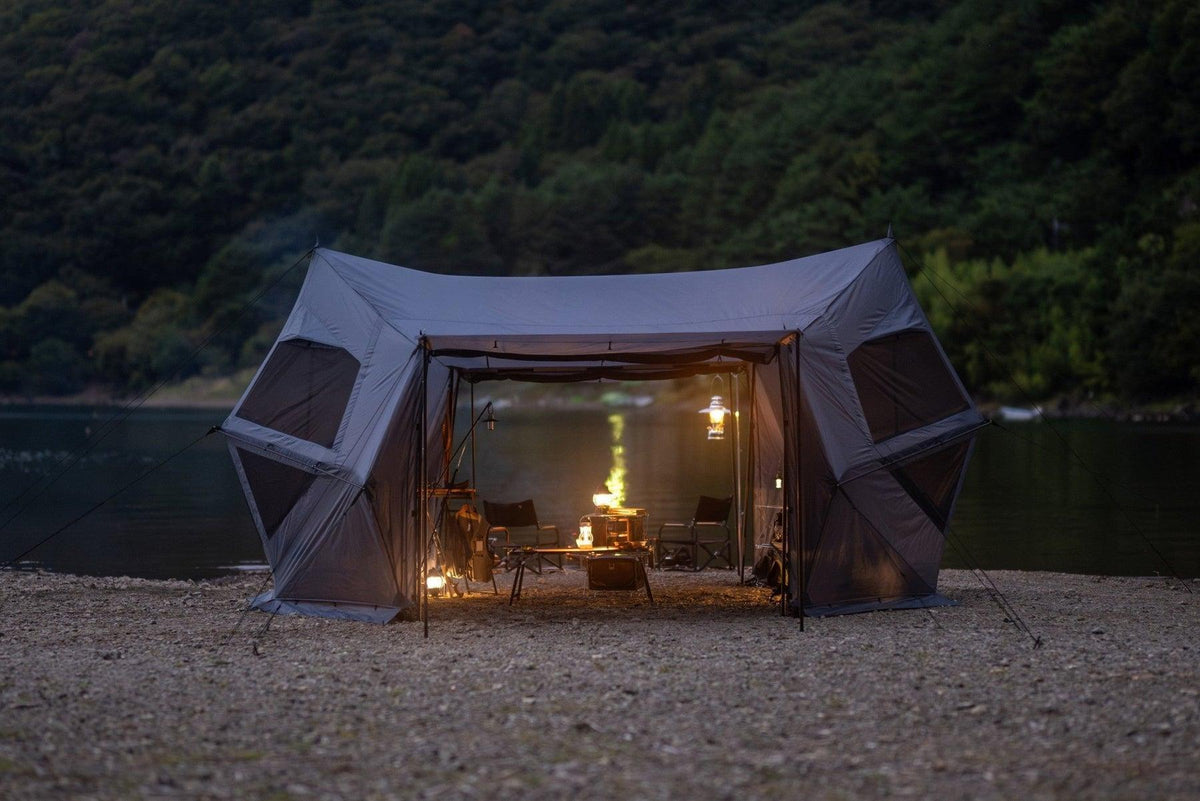
The color of the light is also important. Warm-toned light is gentle on the eyes and has a high relaxing effect, making it ideal for nighttime campsites. Conversely, white-toned light is bright and offers good visibility, making it useful for work or emergency preparedness. Furthermore, warm-toned light has the unique outdoor benefit of being less attractive to insects.
Choosing by Continuous Burn Time
Continuous runtime is also a key factor in selection. Lanterns often feature multiple dimming modes, allowing you to extend runtime by reducing brightness. For example, a model that lasts 10 hours at maximum brightness may last over 20 hours when dimmed. Runtime also varies depending on the power source, so choose the model that best suits your needs.
Choose by Water and Dust Resistance
Waterproof and dustproof performance is indicated by the IP rating. Since lanterns are often exposed to rain and dust during camping and outdoor activities, a protection rating of at least IP54 is recommended. For use in harsher environments, models with higher waterproof ratings, such as IPX7, offer greater peace of mind.
Choose by Size and Weight
When considering portability, size and weight are also important factors. For solo camping or hiking, lightweight and compact models are convenient. On the other hand, for family camping, slightly larger models that prioritize brightness are more suitable. Please consider the balance between storage and portability.
Choosing by Features
Modern LED lanterns are becoming increasingly multifunctional. Some feature a power bank function to charge smartphones, while others include a flashlight or SOS signal feature. The ease of use of hanging hooks and handles is also important. Prioritizing features that match your usage habits will determine your comfort.
Specific Maintenance Methods for LED Lanterns
Proper maintenance is essential for using your LED lantern safely and for a long time.
How to Clean the Unit
First, clean the main unit. Since these are used outdoors, such as while camping, they tend to accumulate dirt and dust. After use, gently wipe the entire unit with a soft cloth, taking special care not to scratch the lens or reflector while removing dirt. Battery terminals can also cause corrosion or poor contact, so we recommend cleaning them regularly with a dry cloth or cotton swab.
Maintenance to Prevent Battery Leaks
Preventing battery leakage is another important maintenance point. Alkaline batteries and nickel-metal hydride rechargeable batteries are less prone to leakage, but if you won’t be using the device for an extended period, remove the batteries before storing it. If leakage does occur, wear protective gloves to wipe it up, taking care to avoid skin contact with the leaked fluid. Gently wipe the affected area with a damp cloth, allow it to dry completely, and then replace the batteries with new ones.
Maintenance Methods for Electronic Components
When maintaining electronic components, it is important to remove dust and moisture from the charging port.Dust tends to accumulate in USB ports, so clean them with an air duster or a soft brush. Additionally, for lithium-ion batteries, avoid overcharging or over-discharging, and store them at an appropriate temperature. Battery performance decreases significantly in cold winter temperatures, so using batteries designed for cold climates or implementing temperature control measures is necessary. Electronic circuits are vulnerable to moisture and impact, so ensure they are thoroughly dried after use and take care to prevent them from falling.
Maintenance Procedures in Case of Malfunction
If the lantern malfunctions, first check for signs of battery degradation. If the runtime remains extremely short even after charging, consider replacing the battery. If the light does not turn on, checking the switch and contacts or reinserting the batteries may resolve the issue. It’s reassuring to know these simple troubleshooting steps.
Tips for Choosing and Using LED Lanterns by Season
In winter camping, reduced battery performance due to low temperatures is a common challenge. Since standard lithium-ion batteries are sensitive to cold, choosing a model designed for low temperatures is key. Additionally, warm-toned light has a high relaxing effect and enhances comfort on cold nights. Recently, lanterns with built-in hand warmers have also appeared on the market, allowing you to address both cold protection and lighting needs.
Insect control is crucial for summer camping. Warm-toned light is recommended because it is less likely to attract insects. Lanterns with a fan function are also convenient for combating the heat, helping to create a comfortable environment.
High waterproof performance is essential for use during the rainy season. Models with an IPX7 or higher waterproof rating can withstand temporary submersion. After use, avoid storing the lantern while wet; drying it thoroughly will prevent malfunctions.
Additional Information on General Camping Gear Maintenance
Many people are likely interested in the maintenance of all their camping gear, not just LED lanterns. In particular, how you wash and store your tent can greatly affect your camping experience. To prevent mud stains and mold caused by moisture, the basic rule is to let your tent dry after use and then wash it gently with an appropriate detergent. The common principle for all gear is “don’t let dirt build up and avoid moisture”; following this will ensure that all your camping gear lasts longer.
Summary: How to Choose the Right LED Lantern and Make It Last
When selecting an LED lantern, it’s important to understand the basics—such as brightness, power source, and water resistance—and then choose a product that suits your specific usage scenarios and seasons. Knowing key considerations for each season—such as cold-weather protection in winter, insect protection in summer, and water resistance during the rainy season—will make your experience much more comfortable.
Additionally, to use your LED lantern safely and for a long time, specific cleaning methods, preventing battery leakage, and maintaining electronic components are essential. By referring to the steps introduced in this article and performing daily care properly, you can ensure your favorite LED lantern serves you well for years to come. Once you understand the correct selection and maintenance methods, it will surely become a reliable partner for outdoor activities and disaster preparedness.
This is the "LED Lantern" page on TOKYO CRAFTS. The official online store for TOKYO CRAFTS camping gear
. On this page
, we’ve selected products from the TOKYO CRAFTS camping gear lineup that are perfect for "LED Lanterns."
RANKING
ランキング一覧へ