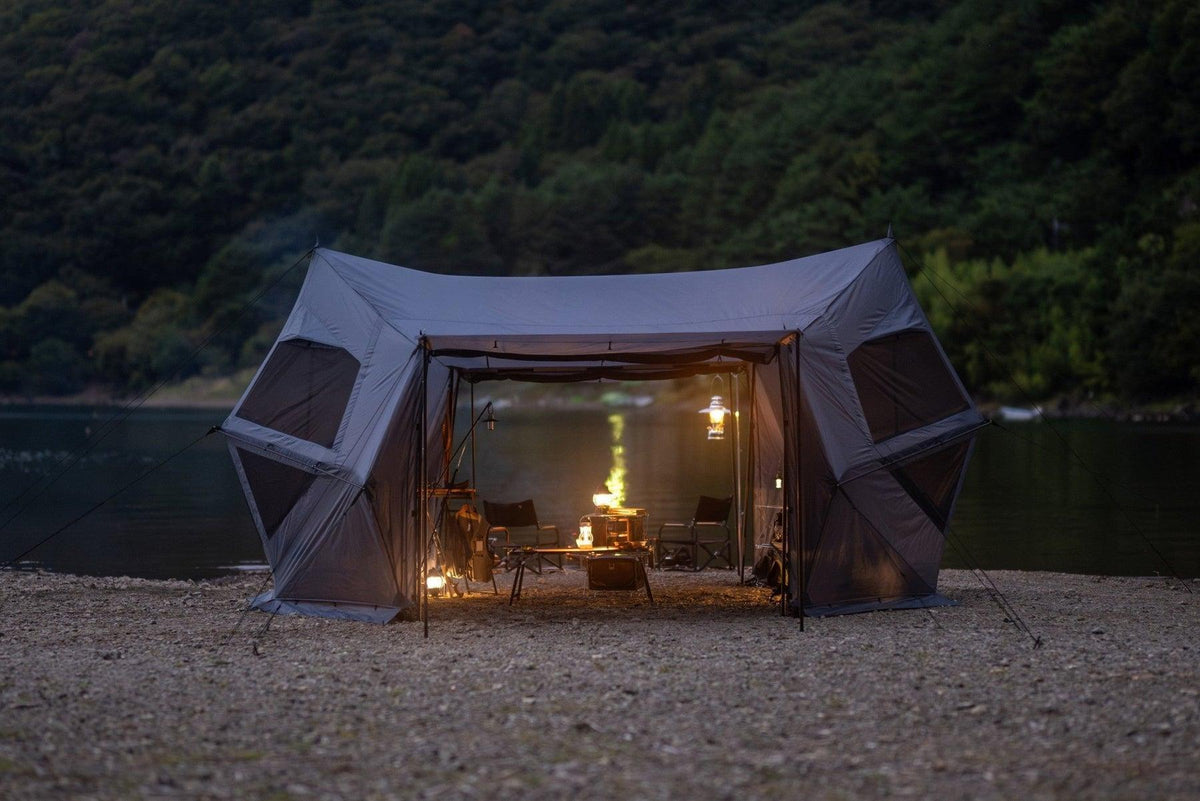
Popular Items in Mini LED Lantern


 ポイント10%
 ポイント15%
 ポイント10%ポイント15%
Mini LED Lantern
ポイント10%ポイント15% ポイント10%ポイント15%ポイント10%ポイント15%ポイント10%ポイント15%
ポイント10%ポイント15%
ポイント10%ポイント15%ポイント10%ポイント15%ポイント10%ポイント15%
ポイント10%ポイント15% ポイント10%ポイント15%
 ポイント10%ポイント15%
 ポイント10%ポイント15%
What’s the Appeal of Mini LED Lanterns? A Handy Companion for Camping
Articles on this site contain advertisements and affiliate links.
Choosing the right lighting to create a pleasant atmosphere and ensure safety at a campsite is a common stumbling block for beginners.
This article focuses on mini LED lanterns—a highly sought-after product—and provides a comprehensive guide covering everything from the basics and how to choose one, to usage scenarios, comparisons of the latest models, and even long-term maintenance. We’ve delved into details that competing articles overlook so that by the time you finish reading, you’ll have a clear picture of the perfect lantern for you.
What Are Mini LED Lanterns?
Mini LED lanterns use bright light-emitting diodes (LEDs) as their light source and generally weigh 300 grams or less, fitting comfortably in the palm of your hand. Since they don’t use an open flame and generate little heat, they’re safe to use inside tents or while sleeping in your car. Unlike gas or oil-powered lanterns, there’s no need to worry about fuel evaporation or leaks—this is the biggest reason they’re chosen by camping beginners.
5 Key Selection Points to Check Before Buying a Mini LED Lantern
To avoid making a mistake when choosing a mini LED lantern, there are five key factors to consider: brightness and beam angle, power source, water resistance and durability, battery suitability for different seasons and temperatures, and color temperature (which affects insect repellency). We’ll explain each of these points in detail below.
Guidelines for Brightness and Beam Angle
Brightness is measured in lumens, but the perceived brightness depends not only on the raw number but also on the beam angle. For solo camping to illuminate a table, 300–600 lumens is sufficient. To cover an entire family campsite, aim for a main lantern of 800 lumens or more, supplemented by two or three secondary lanterns of around 200 lumens each.
About 150 lumens is sufficient inside a tent, but 300 lumens of white light is comfortable for reading or cooking. Hanging a 360-degree lantern high up reduces shadows, allowing you to experience brightness that feels greater than the numerical value suggests.
Power Source Comparison: Rechargeable, Dry Cell, and Hybrid
Rechargeable models are economical because they can be used repeatedly, and some USB-C compatible models can be fast-charged to over 80% in just one hour. However, in cold climates, the voltage drops rapidly, so a portable power bank is essential for multi-night stays.Battery-powered models experience minimal voltage drop due to temperature changes and offer the advantage of being able to purchase batteries at a convenience store during a power outage. Hybrid models use the built-in battery for everyday use and can switch to AA batteries in emergencies, making them ideal for households focused on disaster preparedness.
Assessing Water Resistance and Durability
Sudden rain is a common occurrence when outdoors. IPX4 means the device is “resistant to water splashes from any direction,” while IPX6 means it is “resistant to powerful water jets,” providing peace of mind during setup in heavy rain or while fishing.While the ABS resin body is lightweight and resistant to breakage even if dropped by a child, it does have the drawback of being prone to scratches. On the other hand, while the machined aluminum body offers excellent impact resistance, it also has high heat dissipation, so keep in mind that the battery temperature can drop easily in cold climates.
Choosing a Battery Resistant to Seasonal and Temperature Changes
In winter mountains or snowy camping conditions, lithium-ion batteries may lose about 30% of their capacity at low temperatures. Lithium dry batteries are reliable because they maintain output even at -20°C. In summer, if the temperature inside a car exceeds 50°C, the built-in battery is prone to swelling, so get into the habit of storing it in a cool place, such as a cooler, during the day and charging it at night.To minimize thermal stress on backup power sources, transport them at about 80% charge rather than fully charged before use.
Color Temperature and Light Quality for Insect Control
While white LED light contains almost no UV rays, insects tend to be attracted to lights with shorter wavelengths. Actual measurement data shows that warm-colored LEDs with a color temperature of 3,000 Kelvin or lower are just as effective at repelling insects as gasoline lanterns fitted with UV-blocking filters. With hybrid color-changing models, you can switch to warm light in the summer to deter insects, and then switch to white light for cooking or cleanup to improve visibility.
Recommended Mini LED Lantern Setups by Scenario
By visualizing the appropriate lumens and placement for each usage scenario, you can avoid the pitfalls of insufficient light or, conversely, carrying unnecessary extra gear. Here, we propose optimal setups for four typical situations.
Solo Camping: UL & Multi-Function Models
For backpackers, a USB-rechargeable model weighing around 100 grams is ideal. Models with built-in magnets can be attached to your backpack frame to serve as a hands-free flashlight, and inside a tent, simply hanging it from a loop instantly transforms it into ceiling lighting. If it has a dimming function, you can switch to reading mode to conserve power, and for a one-night trip, you may not even need a portable battery.
Family Camping: Safety & High-Output Set
For a family of four, hang a 1,000-lumen main light from a 180-centimeter pole, and place a 200-lumen warm-toned secondary light on the ceiling inside the tent, out of children’s reach, to minimize shadows and ensure safety.Place a 100-lumen handheld lantern or headlamp along the route children take to the bathroom at night to reduce the risk of falls. Models with ABS resin bodies or silicone shades have the advantage of not getting hot to the touch and being less likely to cause injury if dropped.
Disaster Preparedness & Power Outage Measures: Focus on Long-Term Storage & Instant Illumination
For power outages, a 2,000-lumen model using D-cell batteries and a 300-lumen auxiliary light that shares AA batteries are most useful. With 12 D-cell batteries, even the main light can be used for three consecutive nights on high mode. Periodically test the batteries (by turning the light on for just 5 minutes) to check for leaks and verify LED functionality. After use, remove the batteries and store them in a cool, dry place.
Car Camping & Motorcycle Touring: Magnetic & Rechargeable
If your car has a metal roof, attach a lantern with a built-in magnet to the ceiling to evenly illuminate the entire interior with its wide-angle lens. Models compatible with USB-C fast charging can be fully charged in about an hour via the cigarette lighter socket while the engine is running, giving you peace of mind at your next stop. For motorcycle touring, it’s convenient to mount it on a metal side case to illuminate the entire campsite, then remove it and bring it inside your tent.
Maintenance and Troubleshooting Tips for Long-Term Use of Mini LED Lanterns
Although LEDs are semiconductors and have a long lifespan, batteries and gaskets are consumables. With just a little daily care, you can prevent a decrease in brightness and water damage, so please make the maintenance tips introduced here a habit.
Charging and Discharging Rules to Extend Battery Life
Storing the built-in lithium-ion battery at 50–80% charge minimizes chemical stress. If you turn it on once before a period of inactivity exceeds three months and stop charging again when it reaches around 50%, it will be easier to maintain practical capacity even after exceeding the catalog-listed lifespan of 500 cycles. Nickel-metal hydride batteries discharge naturally quite quickly, so it’s best to top them up just before use.
Inspection Procedure for Waterproof Seals and O-Rings
Even on IPX6-rated models, water can enter rapidly if the gasket deteriorates. Before the start of the season, remove the battery cap and visually inspect the O-ring for cracks or crushing. Applying a thin layer of silicone grease once a year restores the seal and slows down the hardening of the rubber. If deterioration is advanced, replace it with a manufacturer-genuine part.
Proper Cleaning of Lenses and Shades
Plastic lenses tend to whiten when wiped with alcohol, so gently wipe them with a microfiber cloth using a solution of neutral detergent diluted in lukewarm water. Glass lenses can be cleaned with alcohol, but if you don’t rinse off sand and dust with running water first, they will get scratched. It is not uncommon for light transmission to recover to over 90% of its original value simply by removing haze after cleaning.
Common Problems and Troubleshooting Q&A
If the light does not turn on, first lightly scrape off any verdigris from the power terminals with an eraser and wipe them with a dry cloth.Flickering is often caused by low battery power or loose contacts; if pressing the terminals does not resolve the issue, an internal circuit failure may be the cause. If the USB port is rusted, apply an anti-rust lubricant to a cotton swab to wipe it clean, let it dry for 24 hours, and then charge the device. If it still does not work, it is safest to have it repaired by the manufacturer.
FAQs About Mini LED Lanterns
Q1: What brightness level (in lumens) is safe for use inside a tent?
For reading or changing clothes inside a tent, 150–200 lumens is sufficient, but if you need to quickly organize gear or help children get dressed, a model that can be dimmed to 300 lumens is convenient.
Q2: Do warm-colored LEDs really deter insects?
Experiments have shown that warm-colored light, which contains almost no UV rays and has a longer wavelength, emits less light in the 350–400 nanometer range preferred by moths and mosquitoes, resulting in a lower insect attraction rate compared to white light.
Q3: Will the built-in battery hold up if stored for six months?
If stored in a cool, dark place with a remaining charge of 50–60%, self-discharge is approximately 1–2% per month. To prevent over-discharge during storage, it is recommended to turn the light on for 5 minutes once every three months and recharge it to around 50% for peace of mind.
Q4: What is the practical difference between IPX4 and IPX6?
IPX4 is rated to withstand light rain, while IPX6 is rated to prevent water ingress even when sprayed with a hose. If you plan to use it in environments with typhoons or wave spray, please choose a model with an IPX6 rating or higher.
Q5: Is it a malfunction if my rechargeable lantern suddenly dims in the middle of winter?
This is often caused by a voltage drop due to low temperatures. If you warm the battery in your pocket or inside a sleeping bag to bring it back to 10°C or higher, the brightness may return to normal.
If you’re looking for a mini LED lantern, we recommend the “ CLAYMORE ULTRA MINI” from TOKYO CRAFTS.
Packing 500 lumens into a body less than 9 cm in diameter, the "CLAYMORE ULTRA MINI" lives up to its name as an ultra-compact yet reliable main light.
The unit weighs just about 116 g. Despite its slim 27 mm profile—thin enough to slip into a pocket—it features a 3,500 mAh battery, enabling up to 24 hours of continuous operation.With one-touch switching between three color temperatures—warm white, cool white, and daylight white—it adapts to any situation, from white light for cooking to amber lighting before bed. In addition to its IP64 dust- and water-resistant rating, it comes with two hooks, a carabiner, and a dedicated hard case, allowing you to “place, hang, or carry” it with ease.
With USB-C charging support, you can share cables with your mobile devices, making it ideal for solo campers and hikers who want to keep their gear to a minimum. If you’re looking for a mini LED lantern, this model delivers the perfect combination of brightness, portability, and durability.
Summary: Enjoy a Comfortable Night with the Perfect Mini LED Lantern
Mini LED lanterns offer the perfect combination of lightweight, safety, and energy efficiency, making them a great choice as a beginner’s first lantern or a veteran’s backup light. When selecting one, focus on five key factors: brightness, power source, water resistance and durability, seasonal suitability, and color temperature. The key is to determine the lumens and placement based on your specific usage scenario. After purchase, make it a habit to perform maintenance charging and O-ring inspections every three months to maximize its lifespan.
Start by using this article to narrow down your options, then visit a physical store to check the light color and how it operates. If you also prepare backup power sources and storage accessories, your peace of mind will be significantly greater—whether you’re camping at night or facing a power outage.
This is the "Mini LED Lanterns" page from TOKYO CRAFTS. The official online store for TOKYO CRAFTS camping gear
. On this page
, we’ve selected products from TOKYO CRAFTS’ camping gear lineup that pair well with "mini LED lanterns."
We’ve released two types of lanterns created in collaboration with the Korean brand CLAYMORE. Please take a look, as some of these lanterns are models not yet available in Japan.
We highly recommend pairing these lanterns with TOKYO CRAFTS’ lantern stands (Graph Arm and Sunset Hanger).
RANKING
ランキング一覧へ ポイント10%ポイント15%
 ポイント10%ポイント15%
 ポイント10%ポイント15%
 ポイント10%ポイント15%
 ポイント10%ポイント15%
 ポイント10%ポイント15%
 ポイント10%ポイント15%
 ポイント10%ポイント15%
 ポイント10%ポイント15%
ポイント10%ポイント15%
ポイント10%ポイント15%


 ポイント10%ポイント15%
 ポイント10%ポイント15%
 ポイント10%ポイント15%
 ポイント10%ポイント15%
 ポイント10%ポイント15%
ポイント10%ポイント15%
ポイント10%ポイント15%
ポイント10%ポイント15%
ポイント10%ポイント15%
ポイント10%ポイント15%
ポイント10%ポイント15% ポイント10%ポイント15%
 ポイント10%ポイント15%
 ポイント10%ポイント15%
 ポイント10%ポイント15%
 ポイント10%ポイント15%
 ポイント10%ポイント15%
ポイント10%ポイント15%
ポイント10%ポイント15%
ポイント10%ポイント15%
ポイント10%ポイント15%
 ポイント10%ポイント15%
 ポイント10%ポイント15%
ポイント10%ポイント15%
ポイント10%ポイント15% ポイント10%ポイント15%
 ポイント10%ポイント15%
 ポイント10%ポイント15%
ポイント10%ポイント15%
ポイント10%ポイント15% ポイント10%ポイント15%
 ポイント10%ポイント15%
 ポイント10%ポイント15%
 ポイント10%ポイント15%
 ポイント10%ポイント15%
 ポイント10%ポイント15%
 ポイント10%ポイント15%
SEE MORE (その他オススメ商品)
ポイント10%ポイント15%
ポイント10%ポイント15%
ポイント10%ポイント15%