Popular Items in How to Choose a Tent

How to Choose a Tent


[For Beginners] Learn the Necessity of Tents, Different Types, and Tips for Choosing the Right One!
Why You Need a Tent
The "tent" is an essential item for camping.
A tent serves as a resting place to protect you from the sun, rain, and wind in the great outdoors, functioning as a private space and your own personal shelter.
It’s no exaggeration to say that whether you have a comfortable camping experience depends entirely on your tent.
- Durable and Easy to Carry
- Easy to Set Up and Take Down
- Eye-catching, stylish or cute designs
There are many factors to consider when choosing a tent.
But when it comes time to actually buy one, the sheer variety of shapes, types, materials, features, and colors can be overwhelming, making it hard to decide...
In this article, we’ll cover the basics of why you need a tent, the main types available, tips for choosing the right one, and our top recommendations. If you’re unsure which tent to pick, please use this as a guide.
Reason 1: Ensuring Privacy
A tent is your “home” out in the field. Without one, even if you set up a living space at the campsite, you’ll be completely exposed from all sides and won’t be able to relax.
A tent creates walls and a private space, allowing you to relax. You can stretch out and unwind without worrying about prying eyes, and you’ll feel comfortable changing clothes as well.
Reason 2: Creating a Living Space for Overnight Stays
The interior of a tent allows you to create a space that feels just like home.
Spending time sipping tea while gazing at the natural scenery, or lying down to relax, is one of the unique joys of camping.
If you set up a cushioned mat or cot to create a sleeping area, you can spend the night in comfort.
If you have a model with a skylight, you can even enjoy the luxury of drifting off to sleep while gazing at the starry sky.
Reason 3: A Great Evacuation Shelter During Disasters
If you’re forced to live in an evacuation shelter due to a disaster, having a tent allows you to secure a private space.
In evacuation centers, you have to spend time side-by-side with strangers in the same space.
With a tent, you can sleep without being seen by others, and you can also change clothes, change diapers, and breastfeed. Since it blocks airflow, it is also effective for preventing the spread of infectious diseases.
Additionally, since tents can be set up in hallways or under eaves, many people keep them on hand specifically for evacuating with their pets.
Types of Tents
While the term “tent” may seem simple, there are many different types sold by various outdoor gear manufacturers both domestically and internationally.
When purchasing a tent, it’s important to first understand the different types available. Let’s take a look at the types of tents, their features, and their respective pros and cons.
① Dome Tent
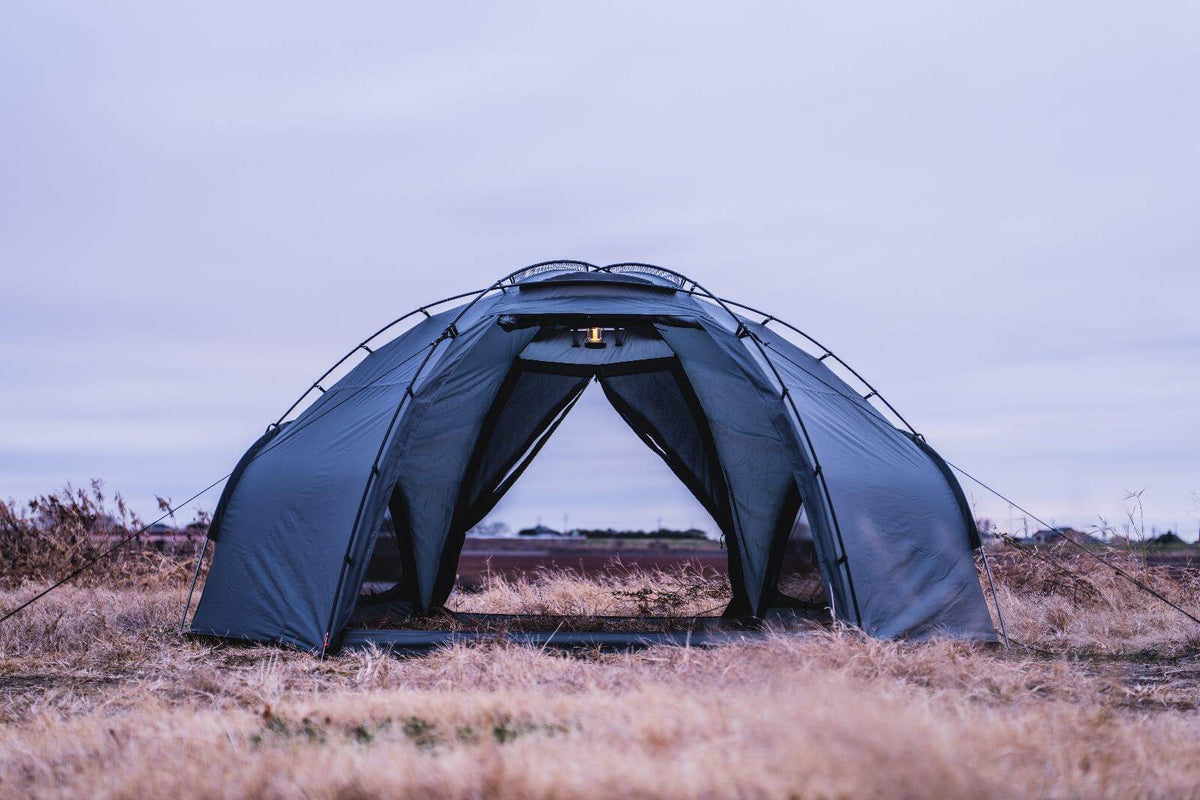
The most common type of tent you’ll see at campsites is the “dome tent.”
As the name “dome” suggests, it has a semicircular shape resembling an upside-down bowl. Because it features a “freestanding” structure—where the tent fabric is supported by crossing and raising several poles or frames—there is no need to stake it to the ground.
[Advantages]
- The gentle curve from the ceiling to the walls eliminates dead space, allowing for a spacious interior
- You can move the tent or change its orientation after setup
- Its spherical shape allows it to deflect wind
- You can turn it inside out during takedown to dry the bottom
- Many products offer excellent design and functionality
【Disadvantages】
- Contains many parts such as poles and frames, making it heavy and bulky to store
- Larger models require manpower and physical strength to set up
② Single-Pole (Teepee) Tent
A single-pole tent is a conical tent set up using just one pole. Because it resembles a “monopole tent” or the Native American portable dwelling known as a “teepee,” it is also called a teepee tent.
Their pointed roofs are stylish and popular among female campers.
[Advantages]
- You can create a unique and stylish campsite
- Lightweight and compact for storage due to the single pole
- Can be set up with just one pole; simply stake down the bottom to finish
[Disadvantages]
- The diagonal line from the ceiling to the ground makes the space near the walls narrow
- The pole stands in the middle of the interior, making it difficult to arrange tables, chairs, and other furniture
- Since the tent entrance is angled, rain and wind can blow in without a canopy
③ Two-room tent
A two-room tent features two separate spaces—a bedroom and a living room (antechamber)—within a single tent.
It combines two distinct spaces—one for dining and enjoying coffee as a living room, and another for sleeping as a bedroom—all within a single tent. It is ideal for family or group camping.
[Advantages]
- The space is divided into two rooms, providing a spacious living area
- No need for a tarp since you can create two rooms within a single tent
- You can feel secure at night by fully closing off the front room
- It’s highly versatile—for example, you can enjoy a drink with your spouse in the front room at night while closing the entrance to the bedroom to put the kids to bed first
【Disadvantages】
- It’s large, so it takes up a lot of space when packed away
- It takes time to break down
- It’s heavy, so it’s difficult to carry
④ Shelter Tent
A shelter tent, also known as a “floorless tent,” is a tent without a floor. It comes in various shapes, such as dome-shaped, single-pole, and double-pole styles. Its main feature is that you don’t need to take your shoes on or off and can move in and out freely.
[Advantages]
- Since it has no floor, you can use a wood-burning stove in winter (depending on the product)
- In summer, using mesh on all four sides provides excellent ventilation
- Lightweight and easy to set up and take down
- You can set up a small sleeping tent inside the shelter tent using the "kangaroo style"
【Disadvantages】
- During heavy rain, water can easily seep in from the ground
- Since the ground is exposed inside the shelter, you’ll need to lay down a mat or cot to lie down
- Not suitable for those who dislike bugs or dirt
⑤ Lodge-style Tent
As the name suggests, this is a tent shaped like a "mountain cabin." Because of its retro appearance, it is sometimes called a vintage tent or steel-frame tent. It is also commonly used for glamping.
[Advantages]
- The high ceiling and spacious interior allow you to relax comfortably
- Easy setup—just put up the poles and attach the flysheet
- The stylish design makes it perfect for social media
- Models with a chimney window allow you to use a wood-burning stove indoors during winter
【Disadvantages】
- It’s heavy because it’s large
- Requires a large, spacious storage area
- It’s expensive
⑥ Solo Tent
A solo tent is a tent designed for solo camping. Solo camping tents include dome tents, single-pole tents, and shelter tents.
There are two main types: single-wall tents with a simple one-layer structure, and double-wall tents with a two-layer structure consisting of an inner sheet and a flysheet.
[Advantages]
- Relatively lightweight regardless of the tent’s shape
- Easy to set up and take down
- Compact storage makes them easy to carry
[Disadvantages]
- The interior space is cramped
- Lower-priced tents may have limited functionality
If you want to relax and unwind, we recommend choosing a two-person size. Also, if lightweight and compactness are your top priorities, choose a single-wall tent.
If you prioritize a comfortable living space, opt for a double-wall model with advanced features such as ventilation and a skirt.
⑦ Pop-up Tent
Pop-up tents have a structure similar to a large umbrella and are easy to set up.
Simply take the tent out of the bag and lift it up to set it up. To take it down, fold the frame as if closing an open umbrella, then gather the tent fabric and secure it with a strap.
[Advantages]
- The appeal lies in how easy it is to set up and take down
- The sturdy frame provides relative peace of mind even on windy days
- The entrance can be completely closed, allowing you to change clothes inside
【Disadvantages】
- It takes up a lot of space even when stored
- Larger sizes are heavy
Tips for Choosing the Right Tent
To avoid thinking “I made a mistake!” after buying a tent, here are the key points to check when selecting one.
Tip 1: Choose a size based on the number of users plus one for comfort
When buying a tent, first consider “How many people will be using it?” This is because the optimal size varies depending on the number of people.
Generally, the “for X people” label on a product refers to the number of people who can sleep inside. Since you’ll want to place gear and a table inside the tent, choose a slightly larger size—one that accommodates “the number of users plus one.”
*For 3 people, choose a 4–5 person tent
Tip 2: Ease of setup is also important
If setting up and taking down a tent takes too much time, you’ll find it a hassle to use, and it may end up gathering dust in storage.
If setting up the tent takes a long time under the scorching summer sun or in the freezing cold at a campsite, you’ll likely get exhausted. For beginners, we recommend a tent that can be set up quickly.
Tip 3: There are two types of structures: “single-wall” and “double-wall”
For solo camping by motorcycle, bicycle, or on foot, where you want to keep your gear as compact and lightweight as possible, we recommend a single-wall tent, which is lightweight and packs down small.
For solo camping trips by car, if you prioritize comfort—such as a sturdy structure, reduced internal condensation, and good ventilation—over a lightweight and compact tent, a double-wall tent is the better choice.
Choose the one that best suits your camping style.
Tip 4: A water resistance rating of 1,500 mm provides peace of mind
It’s not uncommon for the weather to change suddenly at campsites and for rain to start falling.
Be sure to check the tent’s “water resistance rating.” This rating indicates how much water pressure the tent fabric can withstand.
As a general guideline, a water resistance rating of 1,500 mm means the tent can withstand heavy rain, so you can feel confident.
Tip 5: Setting a budget in advance makes choosing easier
The more functional a tent is, the more expensive it tends to be. As you research different options, you’ll likely find yourself wanting better and better models.
Setting a budget limit for yourself will make the selection process much easier.
Introducing Recommended Tents from TOKYO CRAFTS
We’d like to introduce some recommended tents from “TOKYO CRAFTS,” a Japanese brand that creates original camping gear blending functional beauty with high-quality design.
Solo Tent: Diafort TC Solo Tent
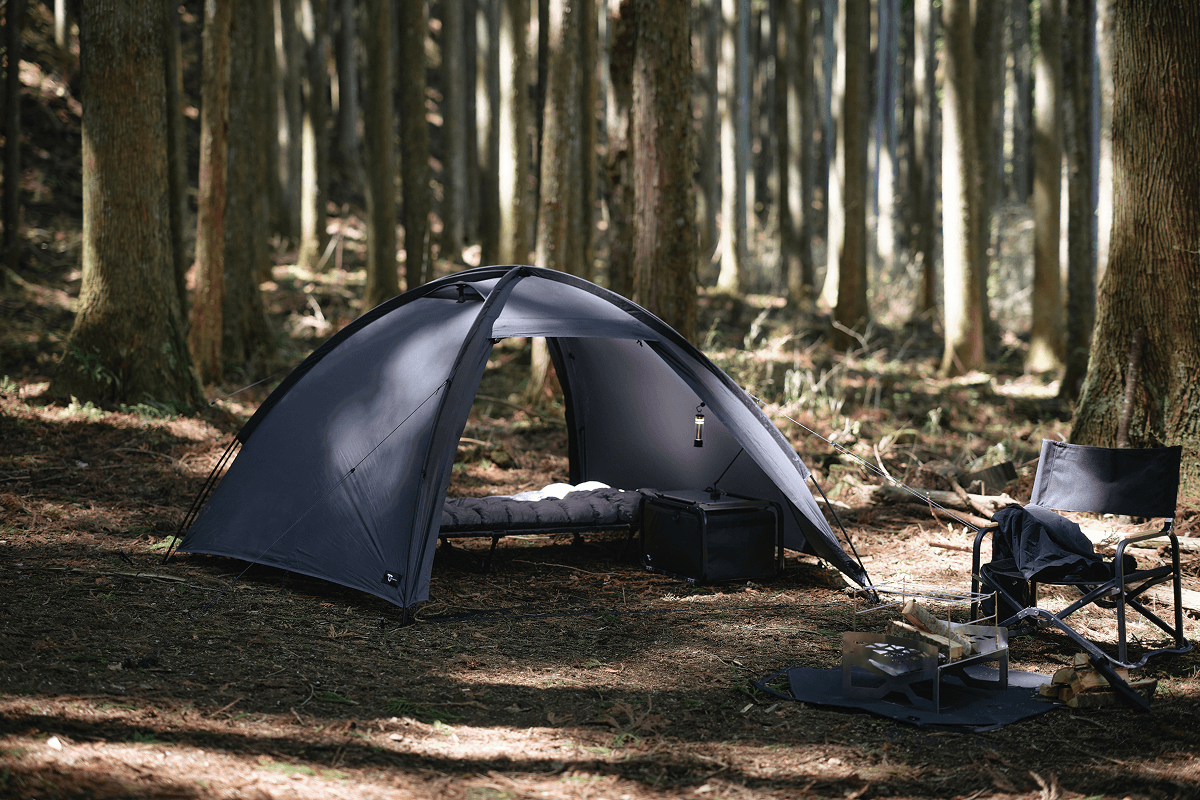
The "Diafort TC Solo Tent" eliminates the cramped and confined feel often associated with solo tents.
Its high ceiling allows you to change clothes while standing, and its design minimizes dead space, creating a spacious living area.
Setup is simple, and it packs down compactly, making it ideal for motorcycle (touring) camping.
Duo Tent: Montope
The "Montope" is a shelter tent where two people can relax comfortably.
The interior is spacious enough to fit two cots side by side, and large windows at the front, sides, and ceiling create an open, airy atmosphere.
The highest point is 195 cm, so you can stand up inside without any trouble. It comes with a canopy, allowing you to set up chairs and a table in front of the tent to create an outdoor living space.
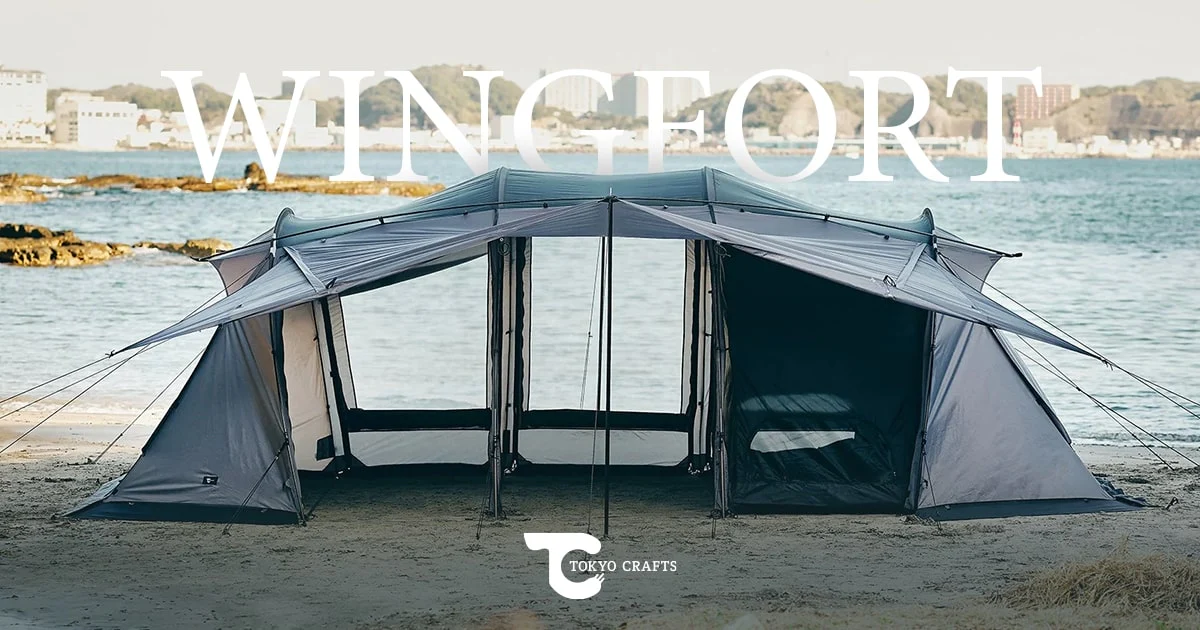
Family Tent: Wing Fort
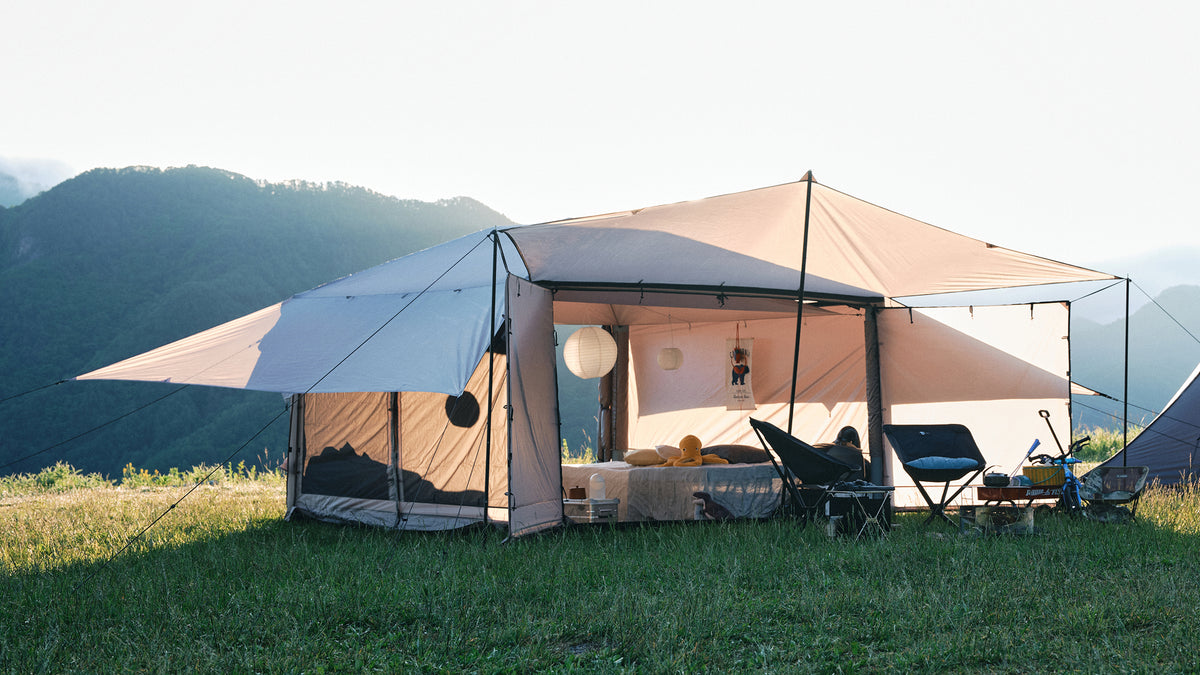
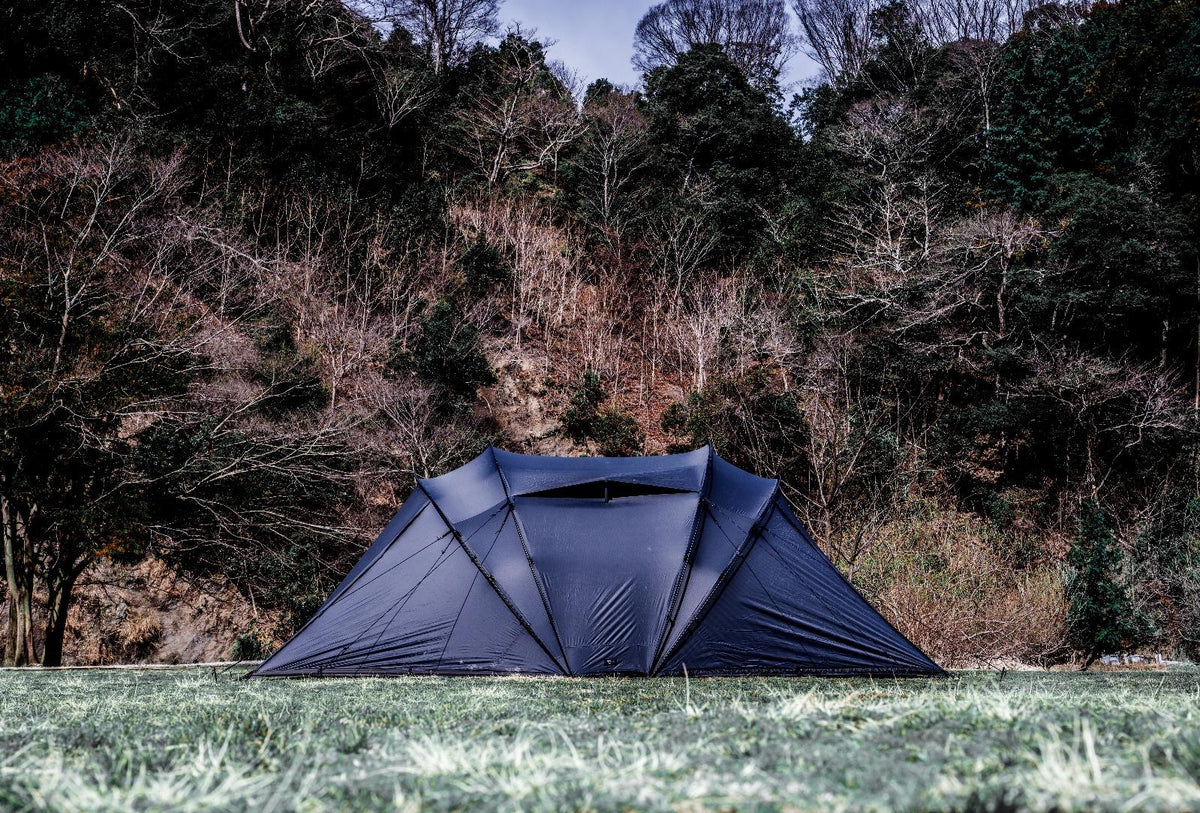
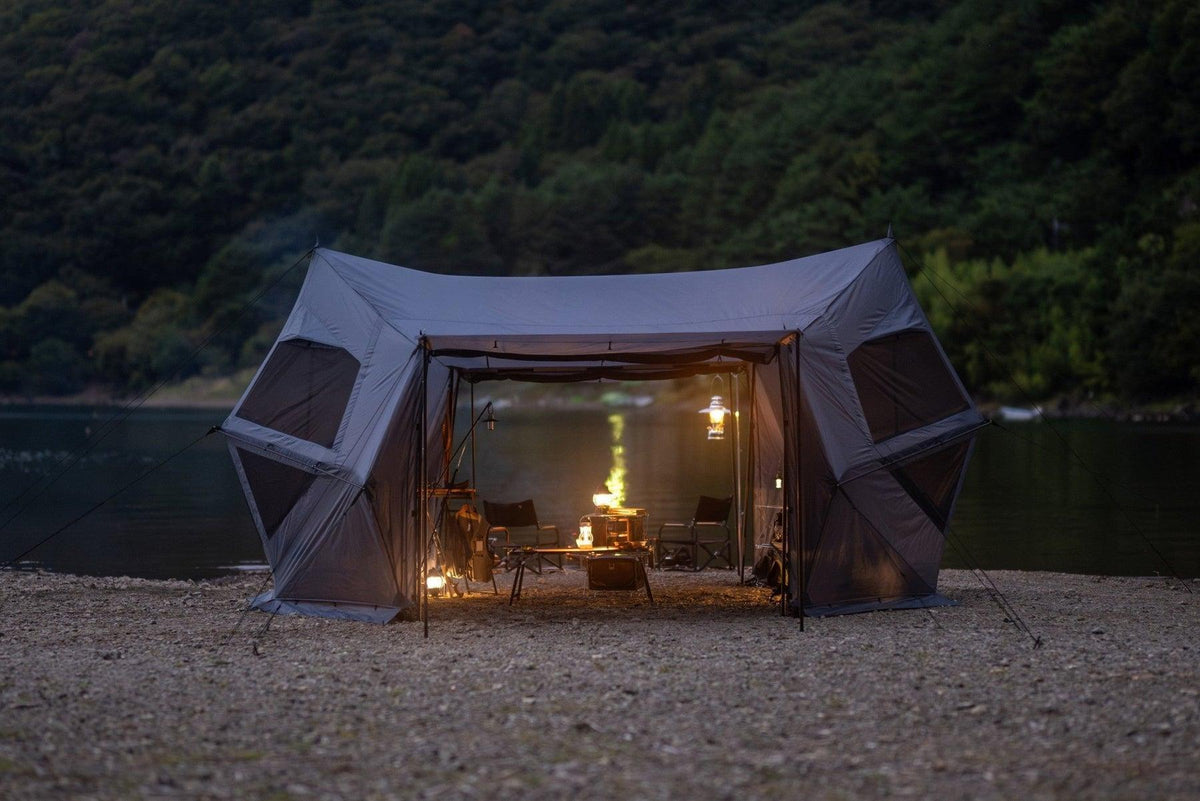
An innovative shelter tent that combines the best features of both two-room and dome tents.
Its appeal lies in the variety of setup options available depending on the number of people, camping style, weather, and season.
Despite its large size, the poles and inner tent can all be packed into a single storage bag.
Family Tent: Tenbi Shelter
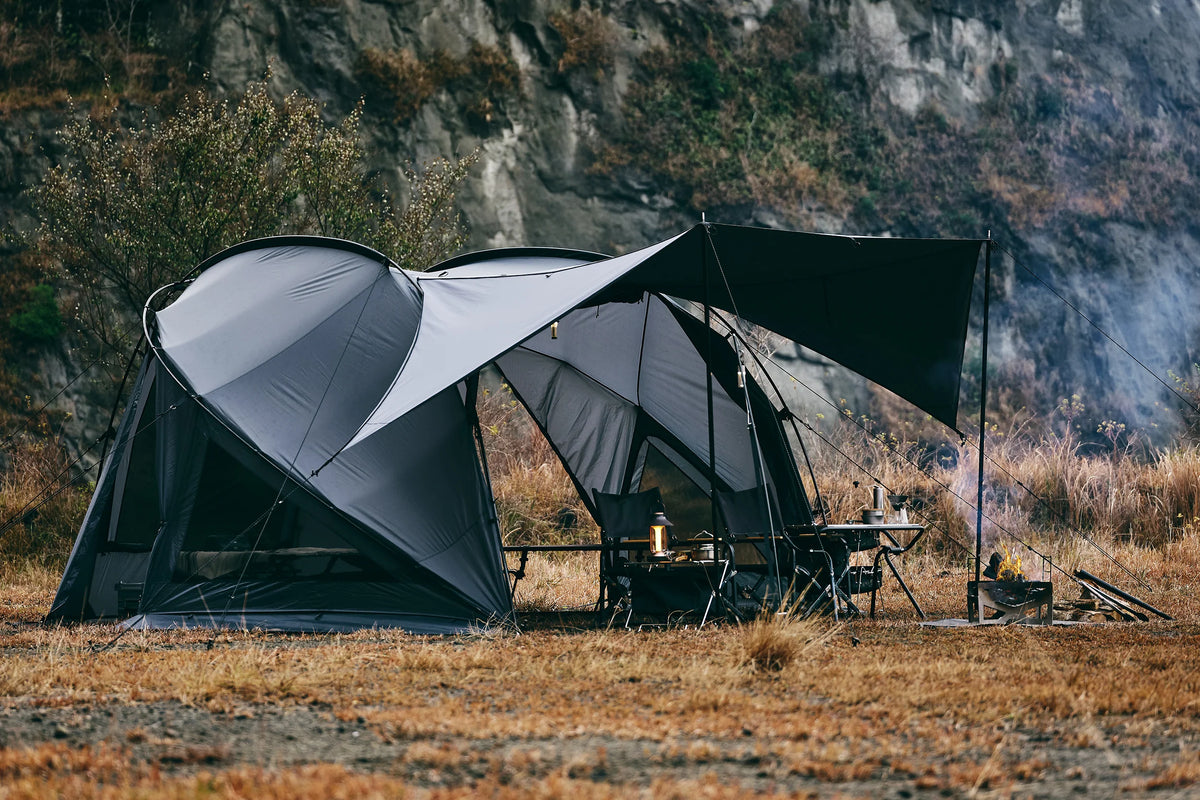
The Tenbi Shelter features a unique frame structure with a height difference between the front and rear.
By lifting up the front canopy and supporting it with separately sold poles, you can create a spacious living area.
It’s perfect for those who want both quick setup and takedown and a high level of comfort.
A reliable item not just for the outdoors, but also during disasters! Choose the best tent for you
Tents aren’t just for enjoying campsites and the great outdoors—they can also serve as shelters in emergencies, such as during disasters.
Please use the points we’ve covered here as a guide to choose a product that suits your specific needs and camping style.
RANKING
ランキング一覧へ