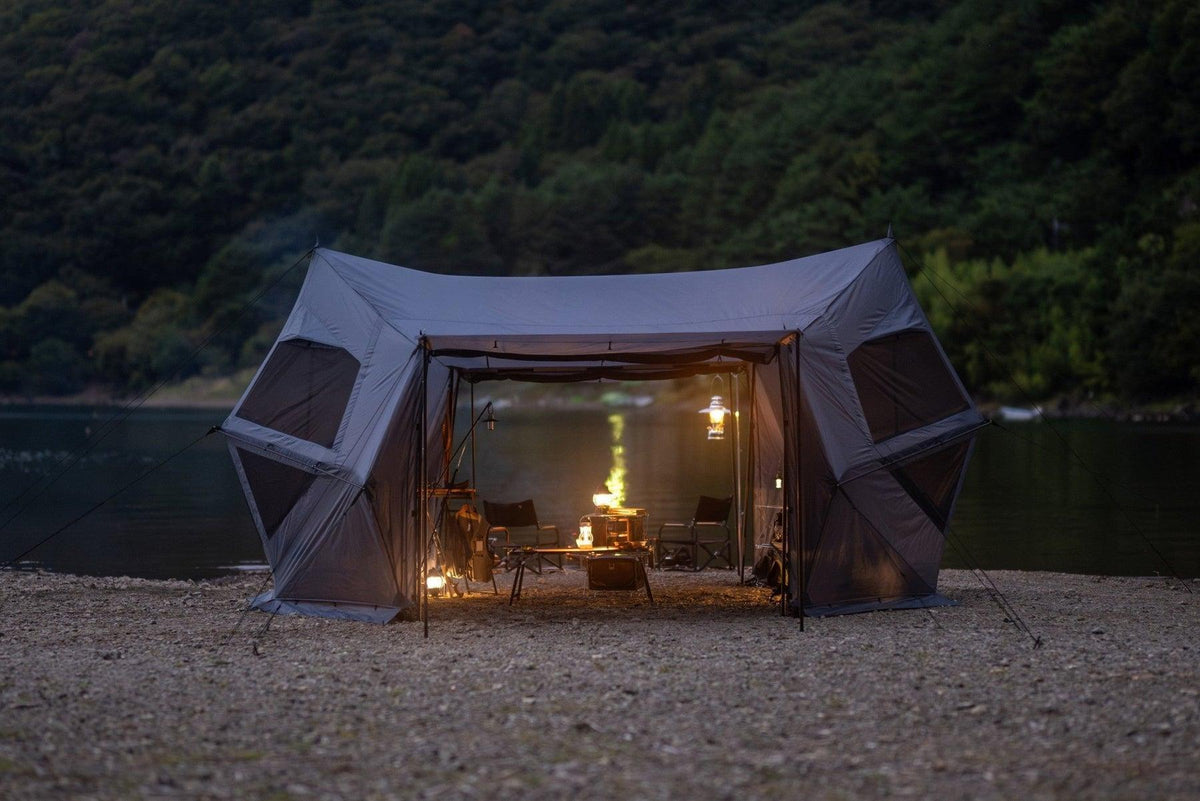
Popular Items in Wood-burning Stove / Tent

 ポイント10%
 ポイント15%
 ポイント10%ポイント15%
 ポイント10%ポイント15%
 ポイント10%ポイント15%
Wood-burning Stove / Tent
ポイント10%ポイント15% ポイント10%ポイント15%
 ポイント10%ポイント15%
ポイント10%ポイント15%
ポイント10%ポイント15%
ポイント10%ポイント15%
ポイント10%ポイント15% ポイント10%ポイント15%
ポイント10%ポイント15%
ポイント10%ポイント15% ポイント10%ポイント15%
 ポイント10%ポイント15%
 ポイント10%ポイント15%
 ポイント10%ポイント15%

 ポイント10%ポイント15%
 ポイント10%ポイント15%
 ポイント10%ポイント15%
 ポイント10%ポイント15%
 ポイント10%ポイント15%
 ポイント10%ポイント15%
 ポイント10%ポイント15%
 ポイント10%ポイント15%
 ポイント10%ポイント15%
 ポイント10%ポイント15%
 ポイント10%ポイント15%
 ポイント10%ポイント15%
 ポイント10%ポイント15%
 ポイント10%ポイント15%
 ポイント10%ポイント15%
 ポイント10%ポイント15%
 ポイント10%ポイント15%
 ポイント10%ポイント15%
 ポイント10%ポイント15%
 ポイント10%ポイント15%
 ポイント10%ポイント15%
 ポイント10%ポイント15%
 ポイント10%ポイント15%
 ポイント10%ポイント15%
 ポイント10%ポイント15%
 ポイント10%ポイント15%
 ポイント10%ポイント15%
 ポイント10%ポイント15%
 ポイント10%ポイント15%
 ポイント10%ポイント15%
 ポイント10%ポイント15%
 ポイント10%ポイント15%
 ポイント10%ポイント15%
 ポイント10%ポイント15%
 ポイント10%ポイント15%
 ポイント10%ポイント15%
 ポイント10%ポイント15%
 ポイント10%ポイント15%
 ポイント10%ポイント15%
 ポイント10%ポイント15%
 ポイント10%ポイント15%
 ポイント10%ポイント15%
 ポイント10%ポイント15%ポイント10%ポイント15%
 ポイント10%ポイント15%
 ポイント10%ポイント15%
 ポイント10%ポイント15%
 ポイント10%ポイント15%
 ポイント10%ポイント15%
 ポイント10%ポイント15%
 ポイント10%ポイント15%
 ポイント10%ポイント15%
 ポイント10%ポイント15%
 ポイント10%ポイント15%
 ポイント10%ポイント15%
 ポイント10%ポイント15%
 ポイント10%ポイント15%ポイント10%ポイント15%
Wood-burning stoves: Your best ally for winter camping! An explanation of compatible tents, how to choose one, and important considerations
Features of Tents Compatible with Wood-Burning Stoves
Wood-burning stoves make winter camping comfortable. Even when you’re inside a tent in winter, the cold creeps in steadily. No matter how much you warm up by a campfire outside, you won’t be able to relax or sleep if the inside of the tent remains chilly.
With a wood-burning stove, you can stay warm inside the tent while enjoying the experience of tending the fire and watching the flames, just like with a campfire. Note that in winter, many people choose to sleep in their cars rather than tents. While wood-burning stoves aren’t an option in cars, you can still adequately protect yourself from the cold by equipping your vehicle with essential items like insulated mats and cold-weather sleeping gear.
When using a wood-burning stove inside a tent, be sure to choose a tent that is “wood-burning stove compatible.”
Wood stove-compatible tents are made of
- made of flame-resistant materials
- come with a chimney port
- and have ventilation features
and other features that distinguish them from standard tents.
Here, we’ll explain how to choose a wood-burning stove-compatible tent, precautions for using one inside the tent, and maintenance methods.
How to Choose a Wood-Burning Stove-Compatible Tent
Wood-burning stove-compatible tents are sold by various outdoor gear manufacturers both domestically and internationally. Don’t choose based solely on design or atmosphere; be sure to check the points listed below.
Selection Tip 1: Does the tent have a chimney vent?
First, choose a product with a "chimney vent" to prevent smoke and carbon monoxide from building up inside the tent when using a wood-burning stove.
A chimney port is a hole designed to route the wood stove’s chimney outside the tent. The position of this hole varies by tent type—some are located low, while others are positioned higher.
We recommend products that feature a heat-resistant treatment on the stove jack (the fabric around the chimney hole, also known as a chimney guard) to prevent the tent from melting due to the heat of the chimney.
How to Choose #2: What About the Material? Choose a Tent with Excellent Fire Resistance
When using a wood-burning stove inside a tent, it’s safer to choose a product made from fire-resistant or flame-retardant materials that are inherently resistant to fire and less likely to burn.
Two main materials are used: cotton and TC fabric. Be sure to understand the characteristics of each before making your choice.
-Cotton
Cotton tents have a natural texture that blends seamlessly with the outdoors, allowing you to create a stylish campsite.
The fabric is thick and provides excellent light blocking, keeping out the outside air to keep you cool in summer and warm in winter—another appealing feature.
Another benefit is that, even when the inside of the tent gets warm, condensation is less likely to form due to the fabric’s absorbency. Since they are also fire-resistant and flame-retardant, you can use a wood-burning stove inside the tent with peace of mind.
However, they are heavy, and if they absorb moisture from rain, drying them takes time and effort. Be careful not to fold and store them before they are completely dry, as this can cause mold and deterioration.
-TC Fabric
TC fabric stands for Tetron (polyester) and cotton, referring to a fabric made by blending these two fibers. Since TC fabric is fire-resistant and flame-retardant, you can use a wood-burning stove inside the tent with peace of mind. It also offers high breathability and light-blocking properties, and is less prone to condensation.
While it is heavier than a tent made solely of polyester, it is lighter than one made solely of cotton, and its resistance to wrinkling even when folded is another appealing feature.
However, just like cotton, if it gets wet in the rain, you must let it dry completely before storing it, as moisture can cause mold and deterioration. Please handle it with care.
Tip #3: Choose a Larger Tent
When setting up a wood-burning stove inside a tent, you need to leave enough space so that the stove does not come into contact with the tent fabric. Since you’ll also need to place chairs, tables, and gear, choose a larger tent whether you’re camping solo, with family, or in a group. Small single-pole tents may not be suitable. For winter camping with a wood-burning stove, it’s important to choose a solo camping tent that allows you to maintain both living space and a safe distance, even when camping alone.
A two-room tent that separates the living area from the sleeping area makes it easier to maintain a safe distance between the wood-burning stove and the living space, allowing you to use it with peace of mind even during winter camping.
As a general guideline, plan for the number of campers plus 1–2 people, and choose a larger tent with ample space and height.
Tip 4: Functionality Matters! Look for Products with Excellent Ventilation
Ventilation is also crucial when using a wood-burning stove inside a tent. Be sure to check if the tent has features designed to improve airflow.
Does it have ventilation?
Ventilation refers to "air vents." Most are located near the top of the tent and allow air rising from below to escape outside.
Does it have mesh windows?
Mesh windows that allow you to adjust between fully open, mesh, and closed settings make it easy to ventilate the tent interior and regulate the temperature, which is very convenient.
Does the tent have a skirt?
A skirt is a curtain-like fabric that extends from the bottom of the tent to the ground. It prevents cold air from creeping into the tent from the ground. Another benefit is that it helps keep warm air generated by a wood stove from escaping.
However, you’ll need to lift it occasionally to ventilate. If you choose a tent with a skirt, look for a model with a design that includes ample ventilation options and mesh windows.
Tip 5: A tent that’s easy to set up warms up quickly
During winter camping in severe cold, it’s important that setting up and taking down the tent doesn’t take too long.
If the tent has a complex structure or many parts, you’ll have to set it up while shivering in the cold. A tent with a simple structure can be set up quickly.
The following tents should allow for quick setup.
Single-Pole Tent
A single-pole tent is a triangular tent that uses a single pole for setup. The process is simple: just place the pole in the center and stake the tent down to secure it to the ground, allowing for quick setup and takedown.
However, because it’s triangular, the walls slope downward from top to bottom, making it feel narrower than its height would suggest. If you plan to use a wood-burning stove, it’s best to choose a larger size.
Bell-shaped Tent
Bell-shaped tents are also pyramid-shaped and can be set up simply by erecting a pole at the center, but unlike one-pole tents, they feature walls that run straight from the middle to the base, resulting in less dead space.
To set it up, stake the tent to secure it to the ground, erect the center with one pole, and then use two poles to raise the entrance. Choose a size that accommodates your group plus one or two extra people.
Pop-up Tent
Hup tents, which offer plenty of customization options, are typically set up by simply erecting the tent with two poles, staking it down, and securing it with guy lines.
While it’s easy to set up and highly portable, its open design means that unless you use a model with a front or side walls, it will likely be cold even with a wood-burning stove during the winter.
Precautions When Using a Wood-Burning Stove Inside a Tent
While using a wood-burning stove inside a tent allows for a comfortable winter camping experience, leading to an increase in users, this has also resulted in a rise in accidents and fires.
As a result, some campgrounds—even though outdoor use is permitted—state that “using wood-burning stoves inside tents is not recommended” or “prohibited.”
Even "TOKYO CRAFTS," an original Japanese camping gear brand, offers tents that are easy to set up, durable, and stylish, but the use of combustion devices inside the tent is "strictly prohibited."
Since wood-burning stoves naturally involve fire, you must handle them with care. To prevent dangerous carbon monoxide poisoning and fires, be sure to know the basic precautions.
Precaution 1: Exercise Extreme Caution Regarding Carbon Monoxide Poisoning
The biggest concern is "carbon monoxide poisoning."
When firewood burns, it consumes air (oxygen). If you burn firewood inside a tent that’s completely sealed to keep out the cold outside air, the more you burn, the more oxygen is consumed, and the oxygen concentration drops.
This can lead to incomplete combustion, posing a risk of carbon monoxide poisoning. You might be feeling cozy one moment, only to suddenly be struck by a headache and nausea, followed by confusion.
To avoid carbon monoxide poisoning, make a conscious effort to ventilate the tent by opening the vents or mesh windows at least once every 30 minutes.
It is also important to clean the stove’s chimney regularly to prevent soot buildup, which can lead to incomplete combustion.
A portable carbon monoxide detector is essential, but don’t rely on it too heavily—always be mindful of ventilation.
Precaution #2: Do not place objects around the stove
It is also important not to place luggage or sleeping bags near the wood stove. Even if you choose a tent made of fire-resistant or flame-retardant materials, it is not guaranteed to never catch fire.
Unexpected strong winds or earthquakes could cause the stove to tip over, igniting nearby flammable items and potentially spreading the fire to your tent.
When setting up the stove, place it on a stable surface and secure the legs with blocks or similar items to prevent it from tipping over.
Also, use guy ropes and a chimney guard to secure the chimney. The chimney guard prevents the chimney from coming into direct contact with the tent.
Point 3: Extinguish the Fire Before Sleeping
As the tent warms up from the wood stove, you’ll naturally start to feel sleepy. However, due to the risk of carbon monoxide poisoning and fire, be sure to extinguish the fire before going to sleep. When camping in a group, it’s a good idea to designate someone to be in charge of putting out the fire.
Precaution 4: Do not use in windy conditions
Do not use a wood-burning stove inside the tent during strong winds. There is a risk that smoke could blow back into the tent, the chimney could be knocked over by the wind causing the stove to tip over, or the tent itself could collapse.
How to Maintain a Wood-Burning Stove
Wood-burning stoves require maintenance. Cleaning the inside of the chimney is particularly important.
If soot and tar buildup inside the chimney are not thoroughly cleaned, it can cause a “chimney fire” while the stove is burning, which is dangerous.
You should also check that there are no gaps in the cement or gaskets used at the joints, doors, and glass panels of the stove. Continuing to use the stove with these issues can pose a fire hazard.
[Chimney Maintenance]
Use a stainless steel brush designed for wood-burning stove chimney cleaning to scrub the inside of the chimney thoroughly. Please clean it every time you use the wood-burning stove.
[Maintenance of the Stove Body]
If you do not remove all the ash from the wood-burning stove after use, the ash may absorb moisture and cause the floor to rust. Please clean the stove only after the ash has completely cooled.
Polish the glass surface with glass cleaner, and if there are any areas where the paint is peeling, reinforce them with stove polish.
Check that the door closes securely, that the latch isn’t loose, and that the gasket (the rope that acts as a seal on the door and other moving parts) isn’t crushed or has gaps.
Use your wood-burning stove correctly and safely to enjoy winter camping!
A wood-burning stove keeps you warm even during the harshest winter camping trips. Not only does it provide warmth, but you can also enjoy watching the flickering flames, boil water, and create a unique, Instagram-worthy atmosphere.
Please be mindful of proper usage and safety precautions to fully enjoy your winter camping experience. We carry a wide selection of items. At the camping gear brand TOKYO CRAFTS, you can purchase various camping equipment such as camping tables, fire pits, cots, Sierra cups, and tents. Be sure to check out our particularly popular lightweight fire pits (MacLight), solo tents, family tents, tarps, and fire pits.
RANKING
ランキング一覧へ
ポイント10%ポイント15% ポイント10%ポイント15%
 ポイント10%ポイント15%
 ポイント10%ポイント15%
 ポイント10%ポイント15%
 ポイント10%ポイント15%
ポイント10%ポイント15%
ポイント10%ポイント15% ポイント10%ポイント15%
 ポイント10%ポイント15%
ポイント10%ポイント15%
ポイント10%ポイント15% ポイント10%ポイント15%
ポイント10%ポイント15%
ポイント10%ポイント15% ポイント10%ポイント15%
 ポイント10%ポイント15%
 ポイント10%ポイント15%
ポイント10%ポイント15%
ポイント10%ポイント15%
ポイント10%ポイント15%
ポイント10%ポイント15%
ポイント10%ポイント15%
ポイント10%ポイント15%
ポイント10%ポイント15%
ポイント10%ポイント15%
ポイント10%ポイント15%
ポイント10%ポイント15% ポイント10%ポイント15%
ポイント10%ポイント15%
ポイント10%ポイント15%
ポイント10%ポイント15%
ポイント10%ポイント15%
ポイント10%ポイント15%
ポイント10%ポイント15%
ポイント10%ポイント15%
ポイント10%ポイント15%
ポイント10%ポイント15%
ポイント10%ポイント15%
 ポイント10%ポイント15%
 ポイント10%ポイント15%
ポイント10%ポイント15%
ポイント10%ポイント15% ポイント10%ポイント15%
 ポイント10%ポイント15%
 ポイント10%ポイント15%
ポイント10%ポイント15%
ポイント10%ポイント15%
ポイント10%ポイント15%
ポイント10%ポイント15% ポイント10%ポイント15%
 ポイント10%ポイント15%
 ポイント10%ポイント15%
 ポイント10%ポイント15%
 ポイント10%ポイント15%
 ポイント10%ポイント15%
SEE MORE (その他オススメ商品)
ポイント10%ポイント15% ポイント10%ポイント15%
 ポイント10%ポイント15%